
Ultimate Crop Guides – Grow Perfect Plants Every Time
Master professional growing techniques for every plant in your indoor garden. Our crop-specific guides walk you from seed selection to harvest timing with step-by-step, science-backed strategies that boost yields while avoiding common mistakes. Whether you’re sprouting your first microgreens or dialing in a vertical tower, there’s a proven path for every crop.
- Science-backed guides
- Field-tested by commercial farms
- Free to read
Growing the Right Crop for Your Setup
Your first decision — what to grow — shapes every other choice you’ll make. Fast, forgiving crops like microgreens and leafy greens are perfect for beginners and small systems. Heavy feeders like tomatoes and peppers reward experienced growers with bigger setups, while herbs and vertical crops let you maximize flavor and space.
Match the crop to your lighting, nutrient strength, and system, and you’ll avoid the most common beginner mistakes. Browse the guides above for seed-to-harvest playbooks on each category, and use our free calculators to dial in nutrients, light, and yield estimates for your exact crop.
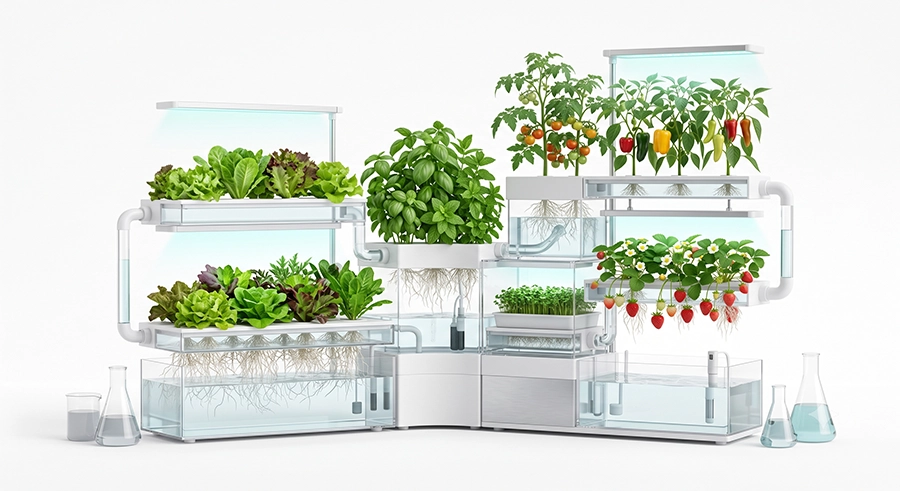
Fruiting Plants
Bountiful Harvests: Grow Tomatoes, Strawberries & Peppers Year-Round
Master the art of growing juicy, supermarket-quality fruits indoors. Our guides solve unique challenges like pollination in enclosed spaces and preventing blossom drop. Discover compact varieties that thrive in hydroponic systems and LED lighting setups.
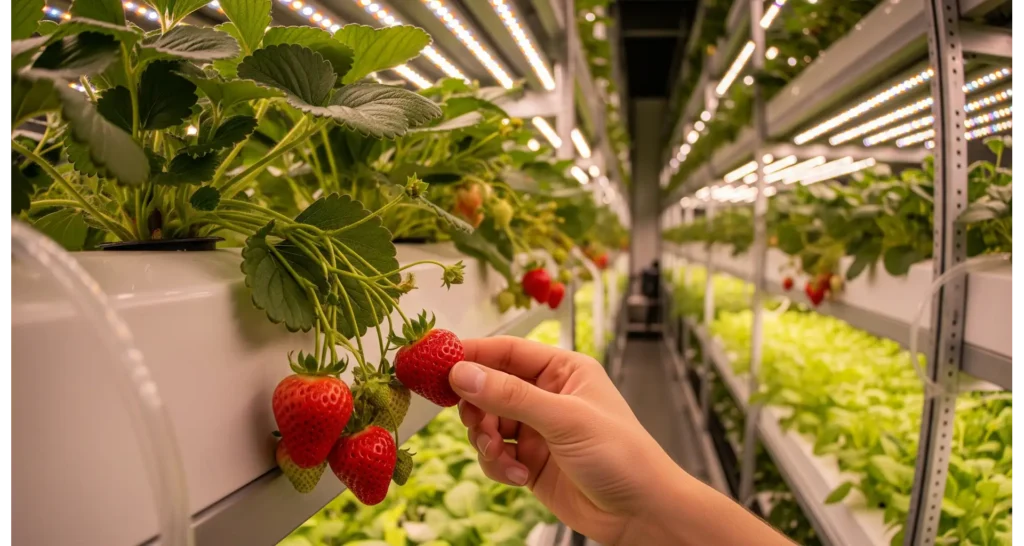
Herbs
Never Buy Herbs Again: Basil, Mint & Cilantro Made Easy
Grow restaurant-quality herbs 365 days a year with our foolproof hydroponic systems. Learn why basil thrives in NFT channels while mint prefers deep water culture. Discover pruning secrets for bushier plants and solutions for common issues like bolting cilantro.
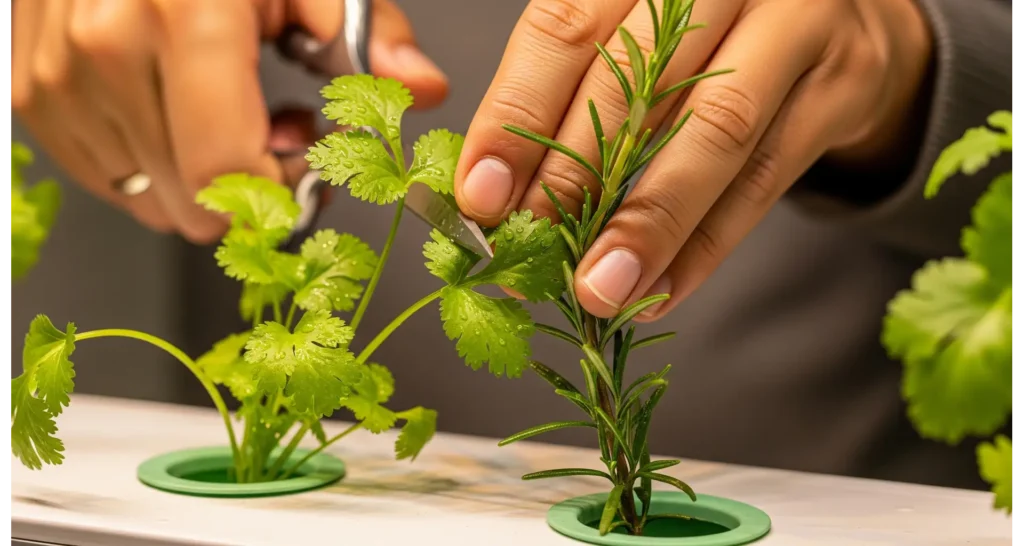
Leafy Greens
Crisp Lettuce & Nutrient-Dense Greens in 30 Days
Harvest pesticide-free salads weekly with our rapid-growth hydroponic techniques. Learn why kale needs different LED spectrums than spinach, and how to prevent bitter flavors through pH management. Discover space-efficient systems that produce 10x more per square foot than soil.
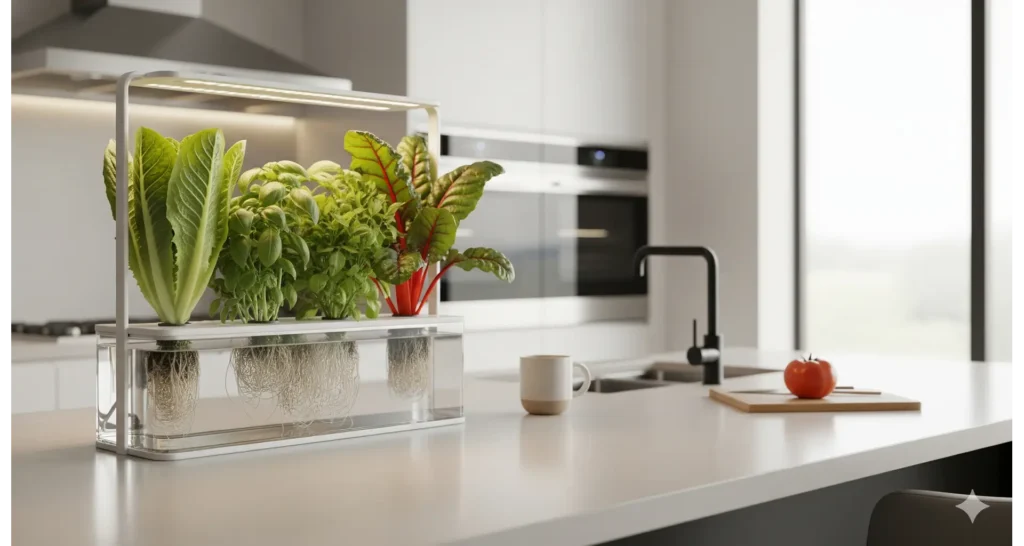
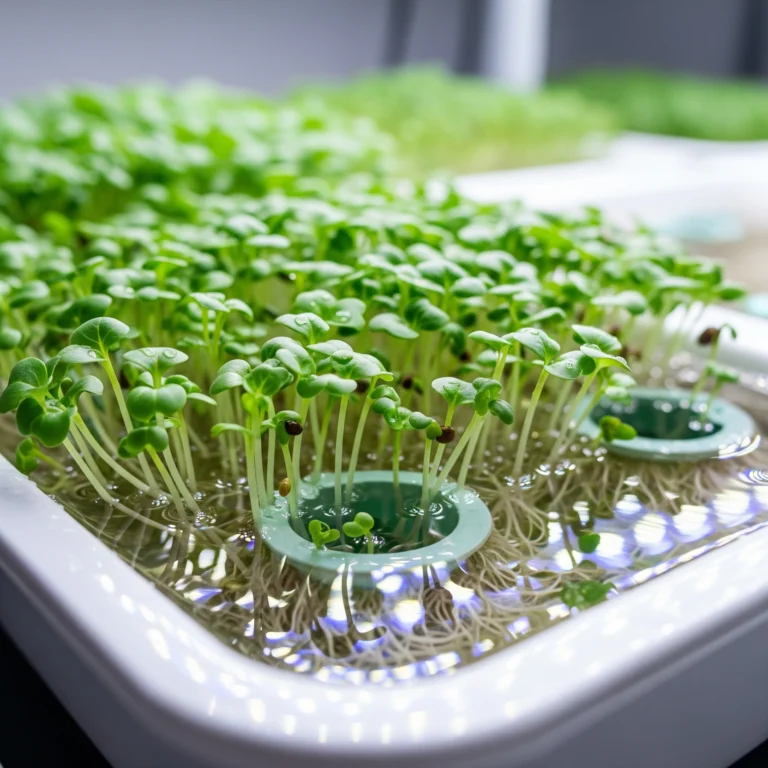
Microgreens
Profit from Microgreens: High-Yield Setup for Beginners
Grow nutrient-packed superfoods in just 7-10 days with minimal equipment. Our guides compare 25+ profitable varieties by flavor and growth speed — from spicy radish to mild sunflower shoots. Discover the ideal grow mediums and affordable LED setups that boost vitamin content.
Vertical Crops
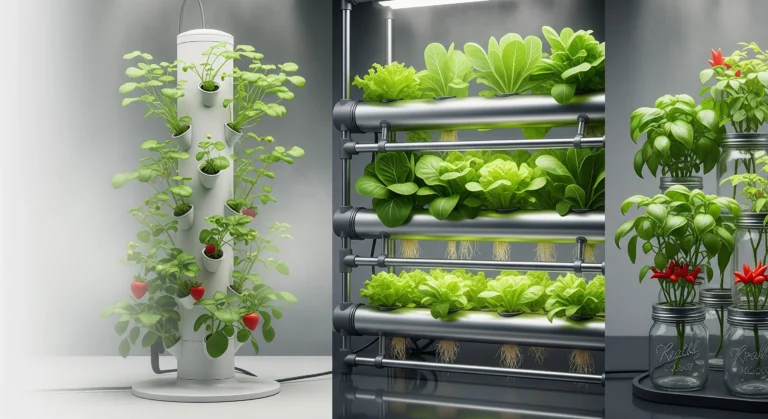
Maximize Small Spaces: Top Vertical Farming Crops Compared
Turn walls into productive gardens with our space-optimized crop selection guide. Discover which plants deliver the highest yields in tower systems — from vining cucumbers to compact strawberries. Learn lighting configurations that prevent shaded growth and nutrient distribution hacks.
01 How do I choose the best crop for my indoor garden?
The “best” crop doesn’t exist — the right one depends on your setup and experience. If you’re new, start with something quick and forgiving like microgreens or lettuce; they grow fast and don’t need a science lab to survive. With an NFT system humming along, try tomatoes or peppers. And in advanced setups, heavy-fruiting crops like tomatoes are the real test — it wants your full attention, but the payoff is huge. Think “what can my setup realistically support right now?” Start small, get a win, then climb the ladder.
02 What’s the difference between growing with soil and soil-free methods like hydroponics?
Soil is like a pantry — it holds food and roots go digging for it. Hydroponics skips the pantry and serves dinner right at the table: nutrients are already dissolved in water and delivered straight to the roots. That’s why hydro plants grow faster, bigger, and stronger. But in soil, nature does a lot of the babysitting; in hydro, you’re the chef, janitor, and nutritionist — watch pH, nutrients, and water quality like a hawk.
03 Can I grow microgreens or herbs with the same nutrient solution as fruiting plants?
No. Herbs and microgreens are light eaters — feed them a tomato-strength mix and you’ll burn them. Tomatoes and peppers are heavy eaters; give them a weak herb solution and they’ll sulk, growing small and slow. Separate your reservoirs or swap solutions depending on the crop to save yourself a lot of headaches.
04 How important is light intensity and duration for my crops?
More important than anything else — even water. Without enough light, plants can’t photosynthesize, so they grow sad and spindly, reaching for the nearest bulb. Most crops want 12–16 hours of light from real grow lights placed at the right distance: too far and it’s like sunbathing under a flashlight; too close and you’ll scorch them. Nail your lighting and you’ve solved half the puzzle.
05 What are the biggest challenges when growing vertical crops?
Water and light distribution. Top plants often hog both, leaving the bottom struggling — I’ve seen towers where the top was a jungle and the bottom looked half-dead. The fix is a watering system that distributes evenly, plus lighting that reaches every level, such as wrapping the tower with full-spectrum LEDs. Vertical growing takes tinkering before it’s dialed in.