Learn
Evidence-based guides explaining why systems and plants behave the way they do.
Understand your plants. Engineer your system. Grow with confidence. Free, science-backed tools turn reservoir, light and climate data into practical growing decisions.
Instead of decoding our navigation, tell us what you’re trying to accomplish.
Learn the fundamentals — systems, nutrients, lighting, pH and EC — from a zero-fear starting point.
Start learning → 02Diagnose yellowing leaves, root trouble, pH drift, VPD swings and nutrient issues symptom by symptom.
Diagnose the problem → 03Use the calculators — dosing, lighting, VPD, yield, cost and system design — to dial everything in.
Open the tools →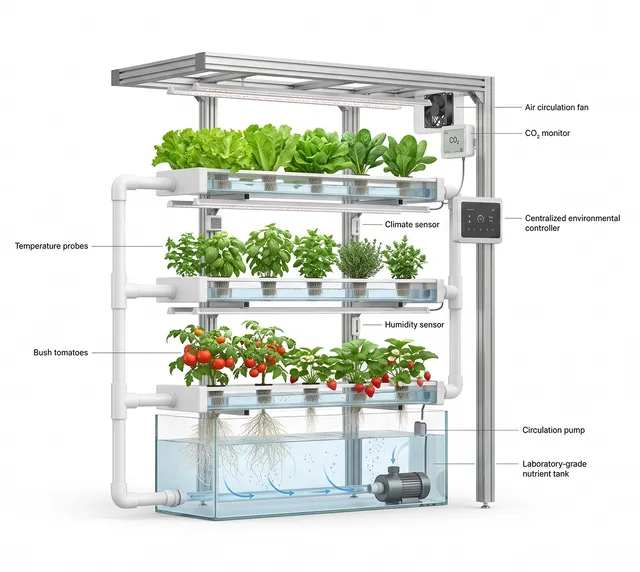
MistCulture is a precision growing platform. Evidence-based guides, open-source formulas, and interactive calculators translate plant physiology into decisions you can act on — for vertical aeroponic towers, recirculating NFT gullies, or a home DWC bucket.
By controlling root-zone mineral delivery, vapor pressure deficit (VPD), and photosynthetic light (PAR), growers eliminate soil-borne pathogens and keep every reservoir, light, and climate tuned for peak economic return.
Four brand pillars that connect every guide, calculator and diagnostic tool on the platform.
Evidence-based guides explaining why systems and plants behave the way they do.
Interactive calculators for nutrient, lighting, VPD, yield and system decisions.
Identify plant, nutrient, environmental and system problems systematically.
Turn measurements into practical growing decisions and bigger, healthier harvests.
Everything you need to understand, build and optimize soilless growing.
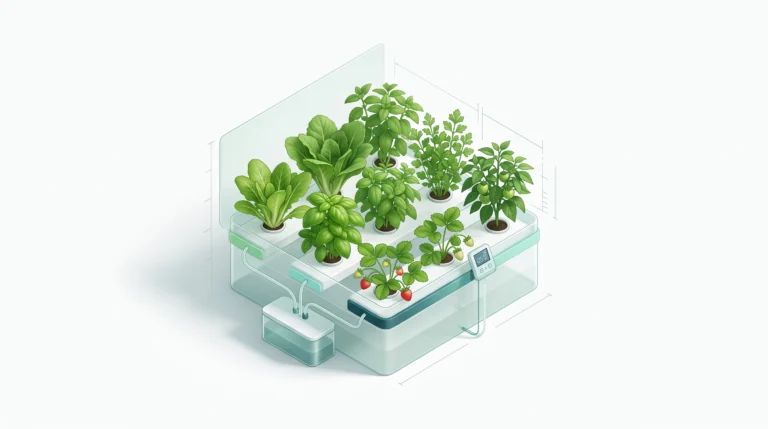
Specific EC targets, pH windows, photoperiods, and harvest tips for leafy greens, herbs, strawberries, and fruiting crops.
Browse Crop Guides →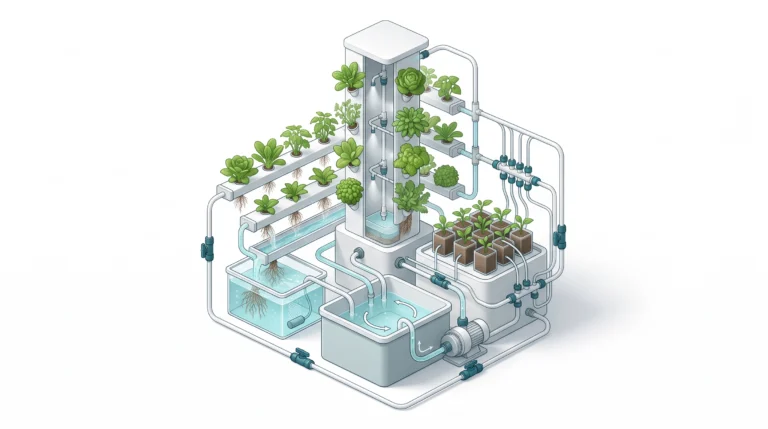
Blueprints and comparisons for Aeroponic Towers, Deep Water Culture (DWC), NFT channels, and Drip setups.
Explore Systems →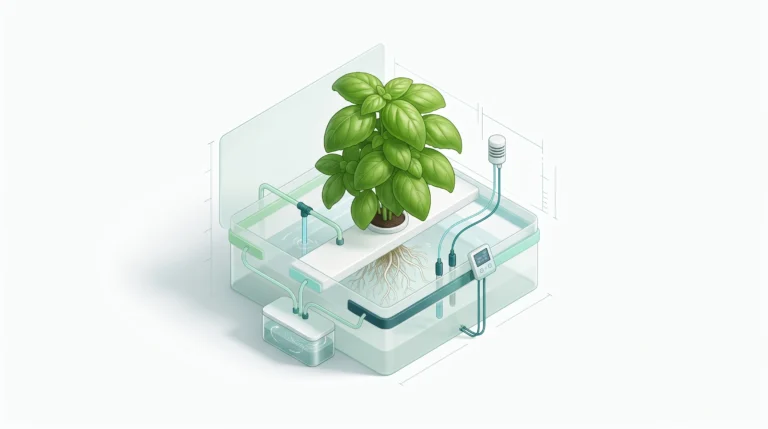
Master nutrient solution balancing, prevent Pythium root rot, control pests with IPM, and monitor health 24/7.
Master Plant Care →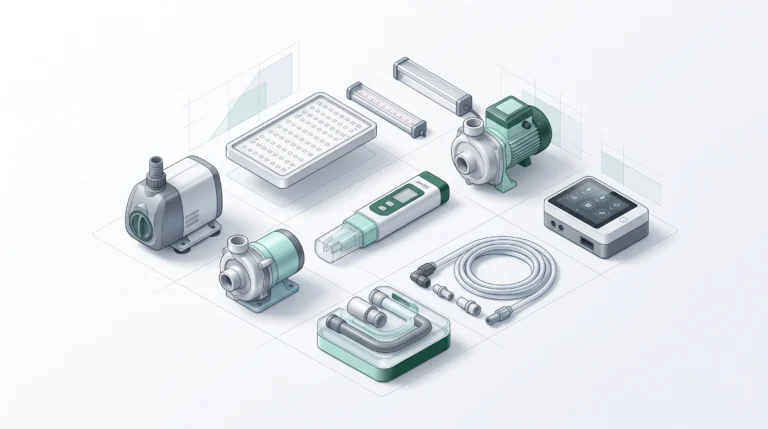
Head-to-head equipment reviews, budget vs. premium gear breakdowns, and commercial brand spotlights.
View Comparisons →
Calculators, downloadable spreadsheets, conversion charts, and buyer's guides to run your grow room smarter.
Get Resources →New research, growing guides, system engineering and practical experiments.
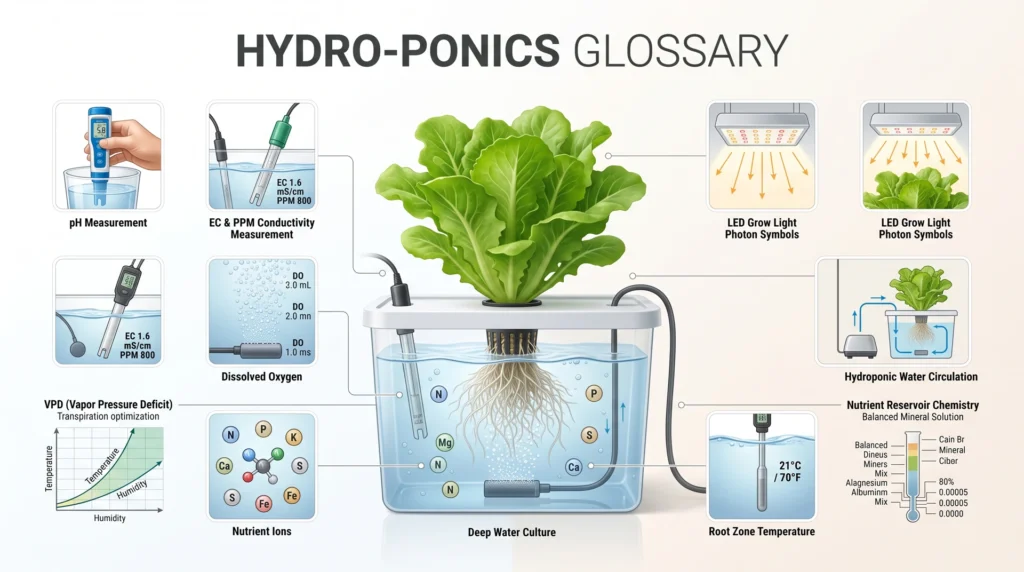
hydroponics glossary - Hydroponic Terminology Glossary. Complete, practical guide from the MistCulture team covering system setup, nutrients, maintenance.
Read the Full Guide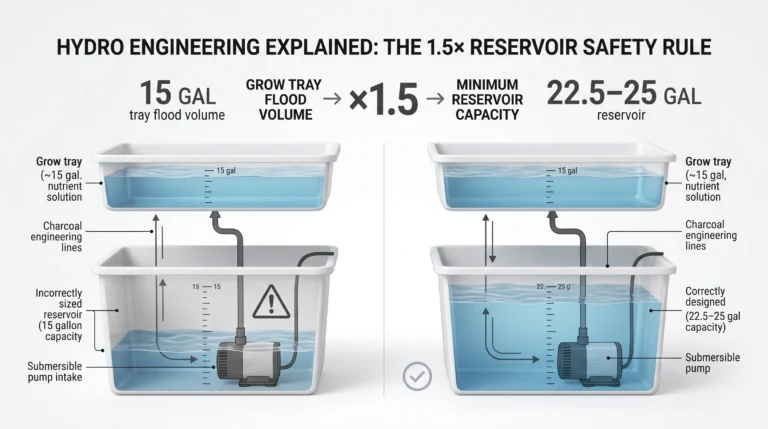
Master ebb and flow hydroponics on a budget. Learn how to plumb, size, and automate a DIY flood-and-drain system for…
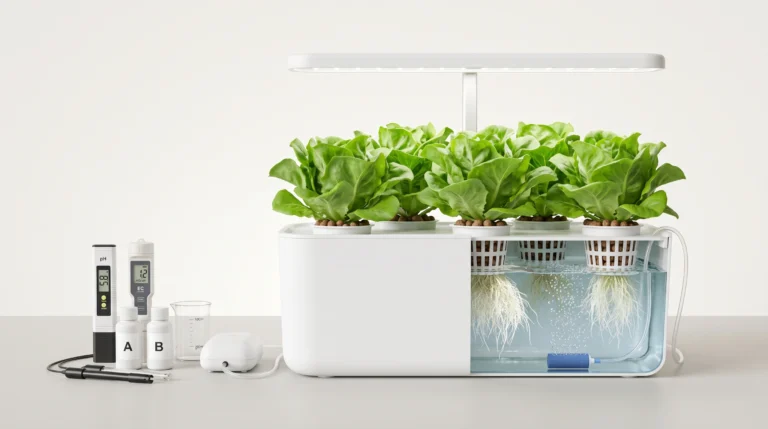
Master hydroponics for beginners. Learn system designs, water chemistry, nutrient dosing, and simple crops to avoid costly starting mistakes.
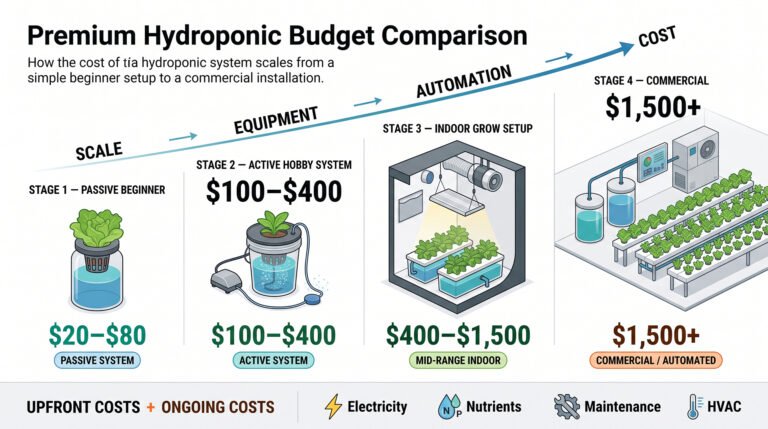
Get a complete hydroponic system cost breakdown. Evaluate budget tiers from $20 passive setups to commercial rigs, including hidden expenses…
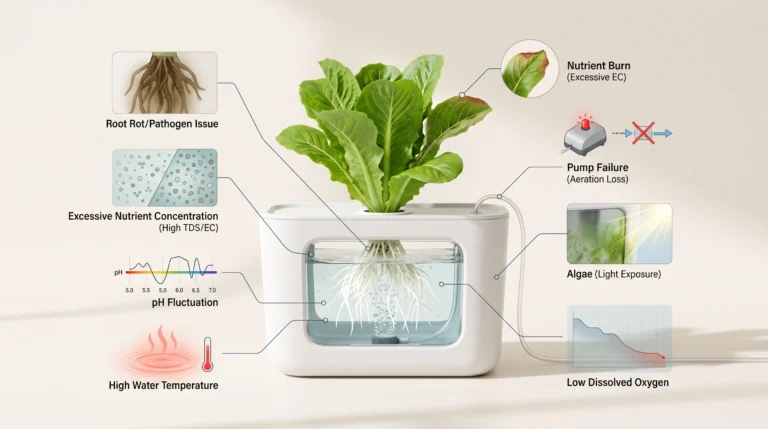
Stop crop-killing hydroponic mistakes. Learn technical fixes for pH drift, nutrient burn, root rot, and dissolved oxygen crashes in this…
Precision soilless cultivation gives you control at every step — here is the mechanism, not the hype.
Recirculating reservoirs deliver water directly to the root zone and reuse every drop instead of losing it to the field.
Manage pH, EC, dissolved oxygen and temperature precisely — conditions that soil simply can’t tune this tightly.
Deliver an exact N-P-K profile per crop stage straight to the root zone — nothing wasted, nothing missing.
Monitor and optimize the whole growing process — light, climate, dosing and harvest — with measurable data.
Straight, science-backed answers to the questions indoor growers ask most.
Yes. Every web application in our toolbox is 100% free with no paywalls, accounts, or subscriptions. Calculations run locally in your web browser for complete privacy, and the underlying formulas are fully documented on every page.
Beginners usually thrive with Deep Water Culture (DWC) or Kratky systems thanks to their low startup cost and mechanical simplicity, while NFT channels and aeroponic towers reward growers who want higher commercial output. Use our Plant Selection Tool to shortlist crops and systems tailored to your space and budget.
Keeping reservoir pH strictly between 5.5 and 6.5. If pH drifts outside this range, roots suffer nutrient lockout and starve even when fertilizer is present in the solution. Test daily and adjust slowly with a quality pH up/down buffer.
Most leafy greens thrive between 1.0 and 1.8 EC (700–900 ppm on the 500 scale), while fruiting crops such as tomatoes and peppers prefer 2.0–2.8 EC. Always start low for seedlings and raise gradually. Check each crop’s exact target with our Nutrient Calculator.
Drain and refill your reservoir every 1–2 weeks for most systems, or sooner if the EC drifts far from target or water temperature climbs above 24°C (75°F). Complete changes prevent the buildup of salts and metabolic byproducts that slow root development.