
Advanced Growing Systems – Maximize Yields in Any Space
Discover the smartest ways to grow fresh food at home. From DIY builds to high-tech towers, we’ve got every grower covered. Hydroponics and aeroponics aren’t just for commercial farms anymore — with the right system, anyone can grow faster, cleaner, and more efficiently, whether you’re setting up a balcony garden or a full indoor farm.
- Science-backed guides
- Field-tested by commercial farms
- Free to read
The Right System for Your Space
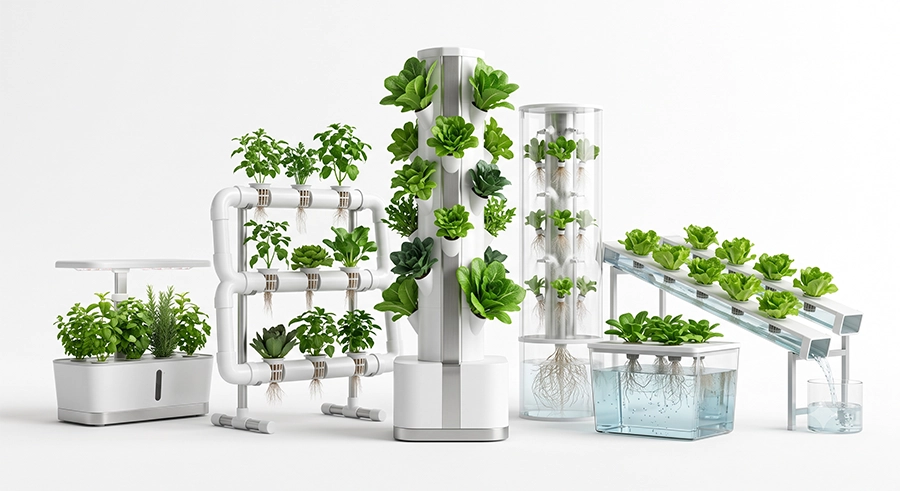
There is no single best hydroponic system — only the one that fits your space, budget, and goals. A compact countertop kit suits beginners growing leafy greens, while NFT channels and aeroponic towers reward growers who want high density and automation. Deep water culture is forgiving and cheap to start; vertical towers maximize yield per square foot.
Whatever you choose, match the system to the crops you love and the time you can commit. Browse the guides above for setup walkthroughs, maintenance routines, and upgrade paths for every growing style.
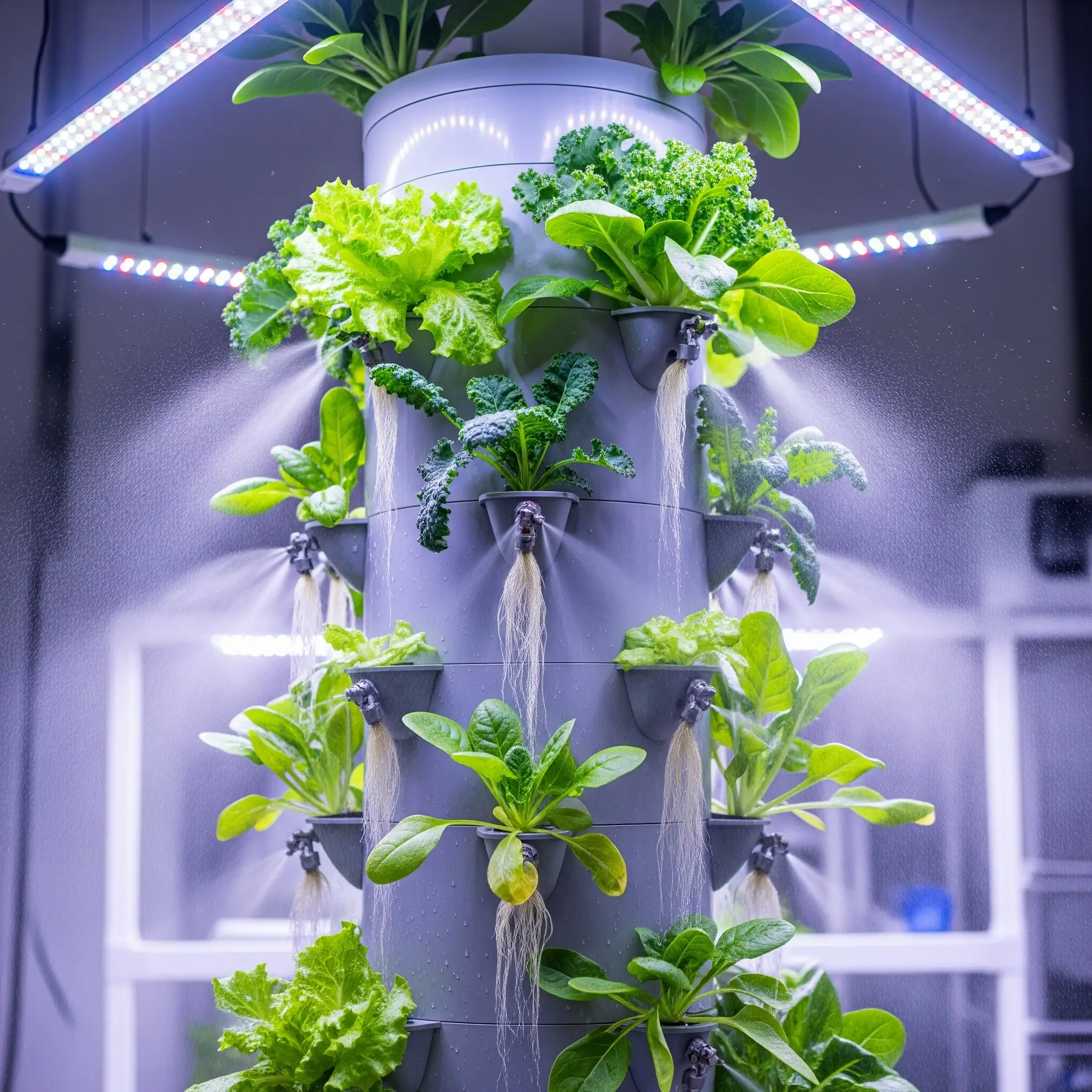
Aeroponic Towers
Faster Harvests with NASA-Inspired Mist Systems
Unlock the power of aeroponics, where roots absorb nutrients through a fine mist for unmatched efficiency. These systems deliver up to 3x faster growth while conserving space and water.
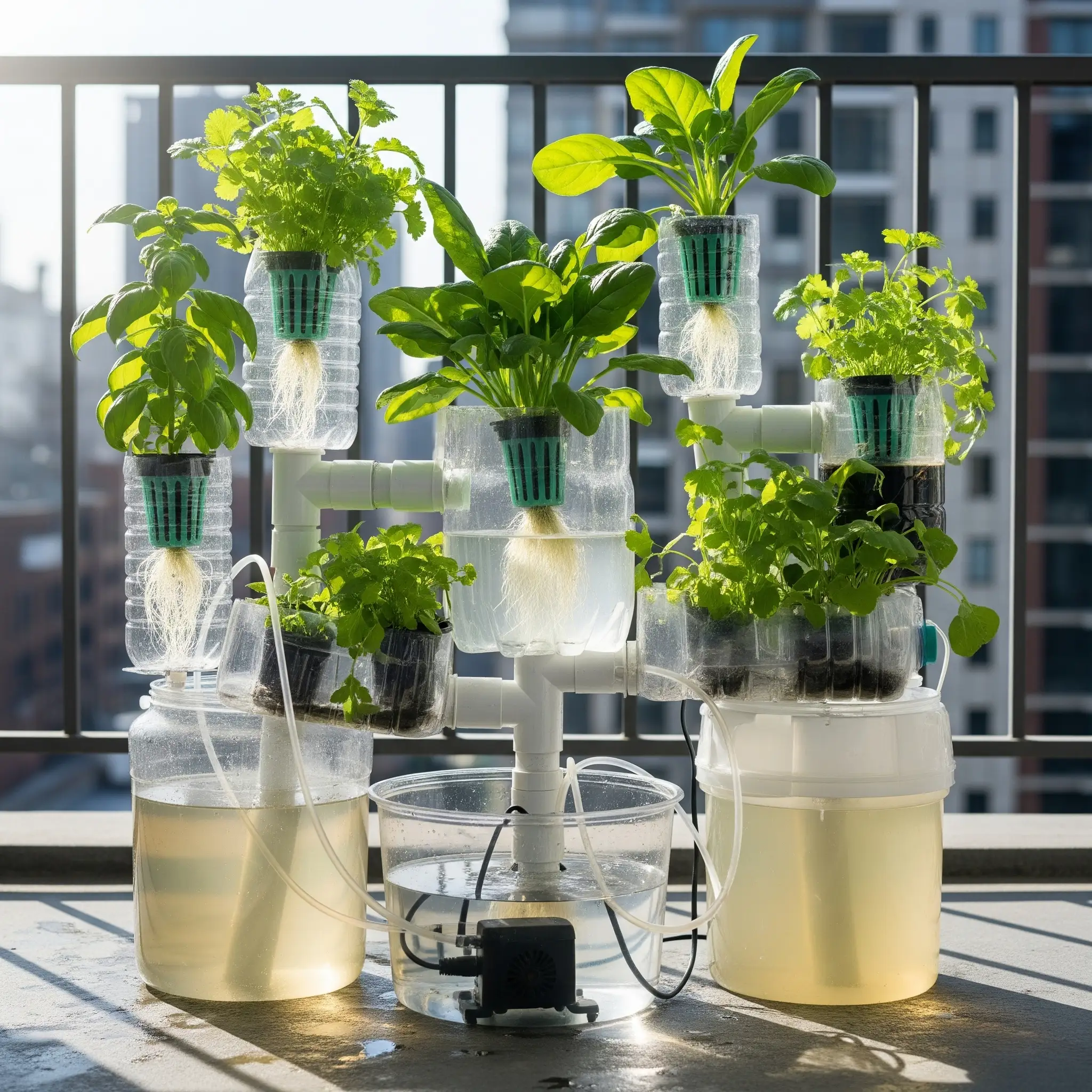
DIY Systems
Budget-Friendly Builds with Big Results
Design hydroponic setups from recycled containers, pumps, and simple household tools. Our guides walk you through step-by-step projects under $100.
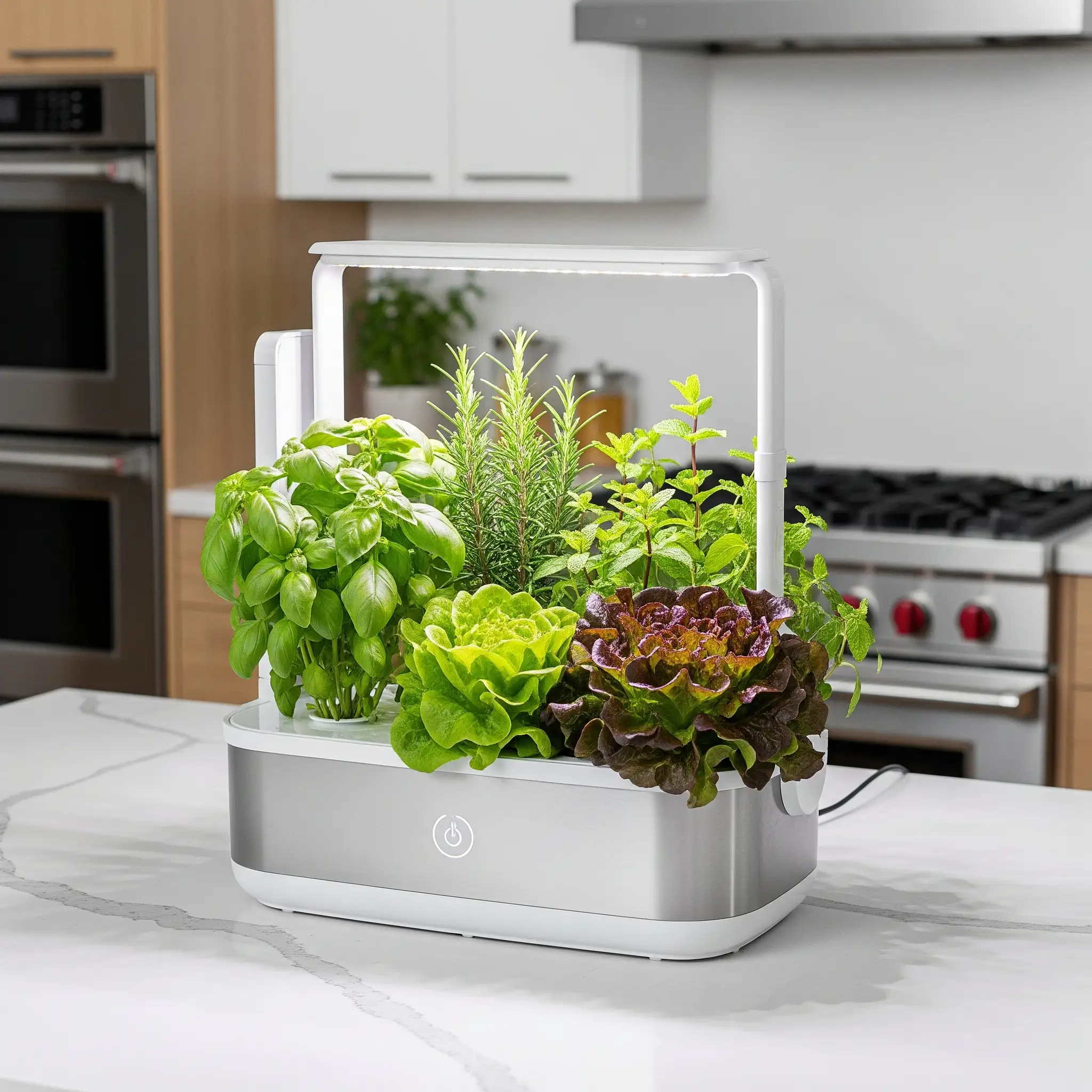
Hydroponic Kits
Plug-and-Play Growing Made Effortless
Skip the guesswork with beginner-friendly kits that make hydroponics as simple as adding water and seeds. Ready-to-use systems designed for fast harvests.
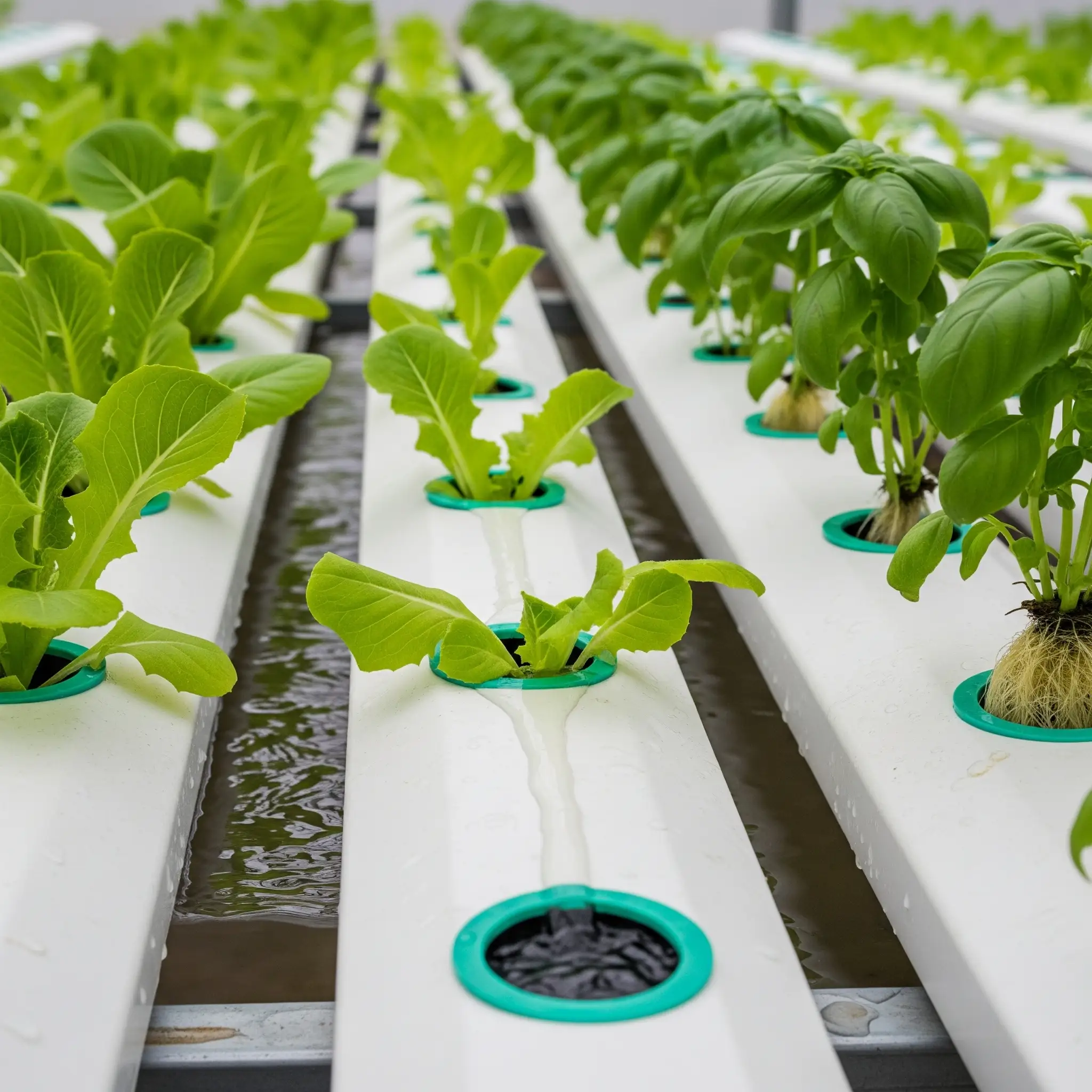
NFT Hydroponics
Continuous Greens with Flowing Nutrient Films
Master Nutrient Film Technique (NFT) systems, where roots thrive in a shallow stream of nutrients. Perfect for fast crops like lettuce or basil.
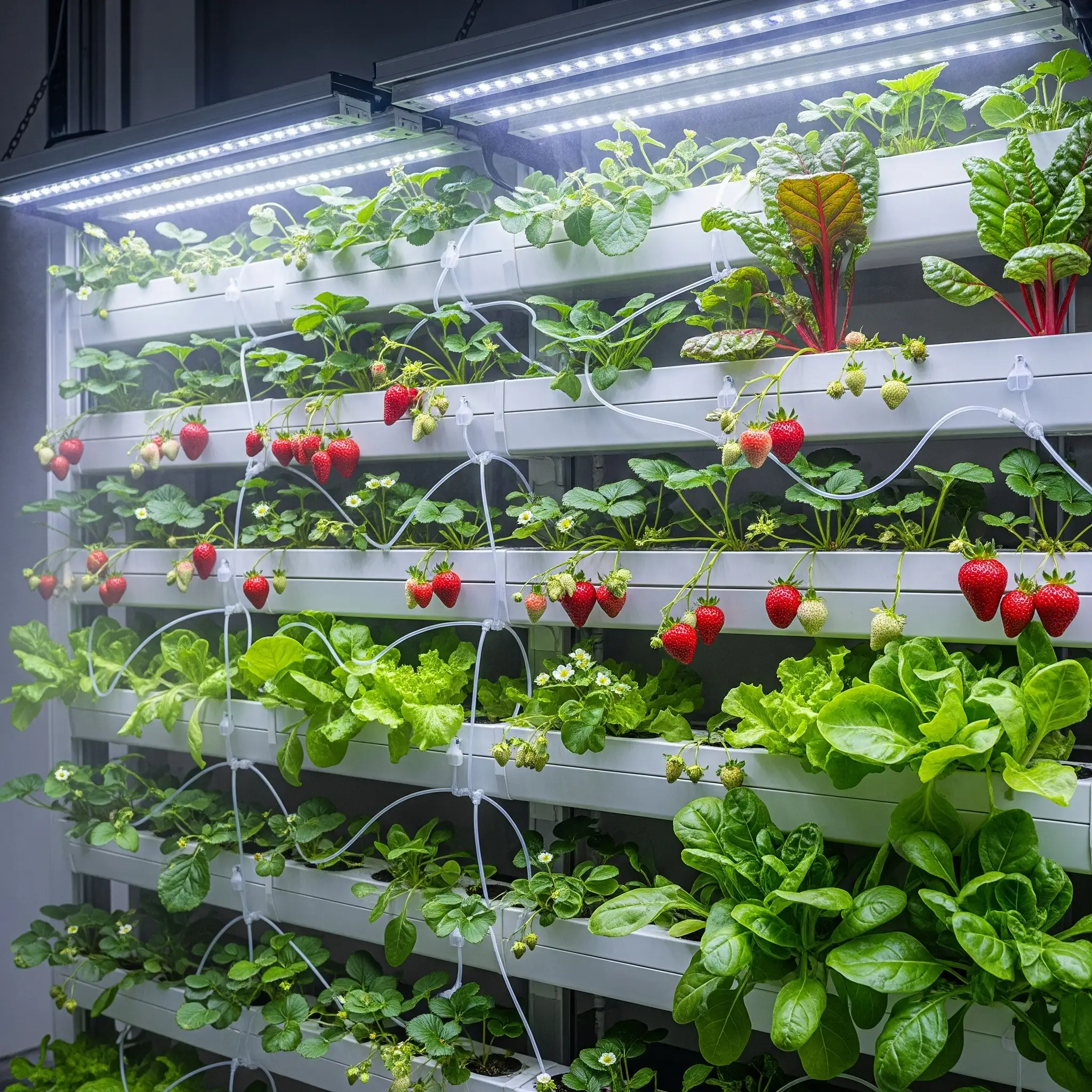
Vertical Gardens
Maximize Yields in Compact Urban Spaces
Stack crops upward to grow up to 10x more food in the same footprint. Vertical gardens are engineered for city living and small footprints.
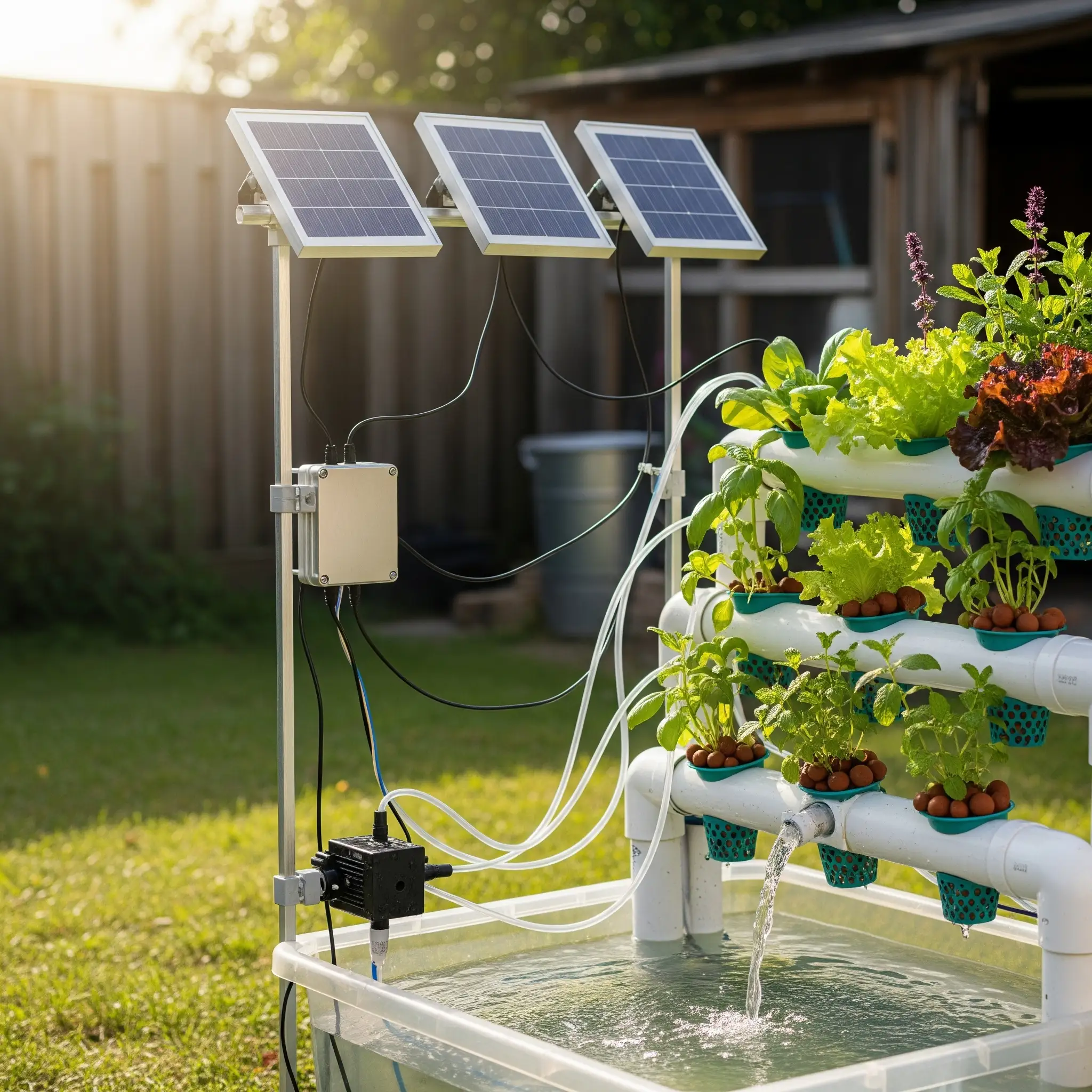
Off-Grid Systems
Sustainable Growing with Full Independence
Harness solar power and water recycling to build systems that operate without utilities. Off-grid hydroponics gives growers food security.
01 What are the key differences between hydroponics and aeroponics?
Both ditch the dirt, but they feed roots differently. Hydroponics keeps roots in a nutrient solution — reliable, steady, and forgiving. Aeroponics suspends roots in air and mists them with a fine spray, leading to faster growth.
02 Are DIY hydroponic systems reliable, or should I just buy a kit?
Both work. DIY systems are reliable, cost-effective, and teach you how every component works. Kits offer a clean, plug-and-play experience for those who just want to grow without the fuss.
03 How does an NFT hydroponic system work?
In an NFT system, a thin, continuous stream of nutrient-rich water flows down a shallow channel, brushing past the plant roots. It provides excellent oxygenation and is highly efficient for fast-growing crops like lettuce and basil.
04 What’s the main benefit of a vertical garden over a traditional one?
Space — hands down. You can stack far more plants into a tiny footprint, and upright growth improves airflow, which helps prevent disease.
05 Are off-grid growing systems really practical for a home grower?
Yes. With solar panels and battery backups, you can run a self-sustaining garden completely independent of the power grid.