
Master Plant Care – Optimize Health, Prevent Problems & Boost Yields
Unlock the science behind thriving hydroponic plants with actionable care strategies. We translate complex plant physiology into simple steps for diagnosing issues, balancing nutrients, and preventing pests; proven methods that deliver healthier plants and bigger harvests, tailored for home and commercial growers alike.
- Science-backed guides
- Field-tested by commercial farms
- Free to read
The Science of Soilless Plant Care
Growing without soil means you are in complete control of your plant’s environment. While this allows for explosive growth and higher yields, it also means your crops rely entirely on you for their survival. Proper hydroponic plant care revolves around three core pillars: precise nutrient delivery, environmental control (VPD, temperature, humidity), and strict biosecurity.
By maintaining a stable pH between 5.5 and 6.5, providing highly oxygenated water to the root zone, and keeping your grow room free of pathogens, you can prevent 90% of common indoor gardening issues. Explore our database of articles above to diagnose deficiencies, optimize your lighting schedules, and cultivate a thriving, high-yield indoor farm.
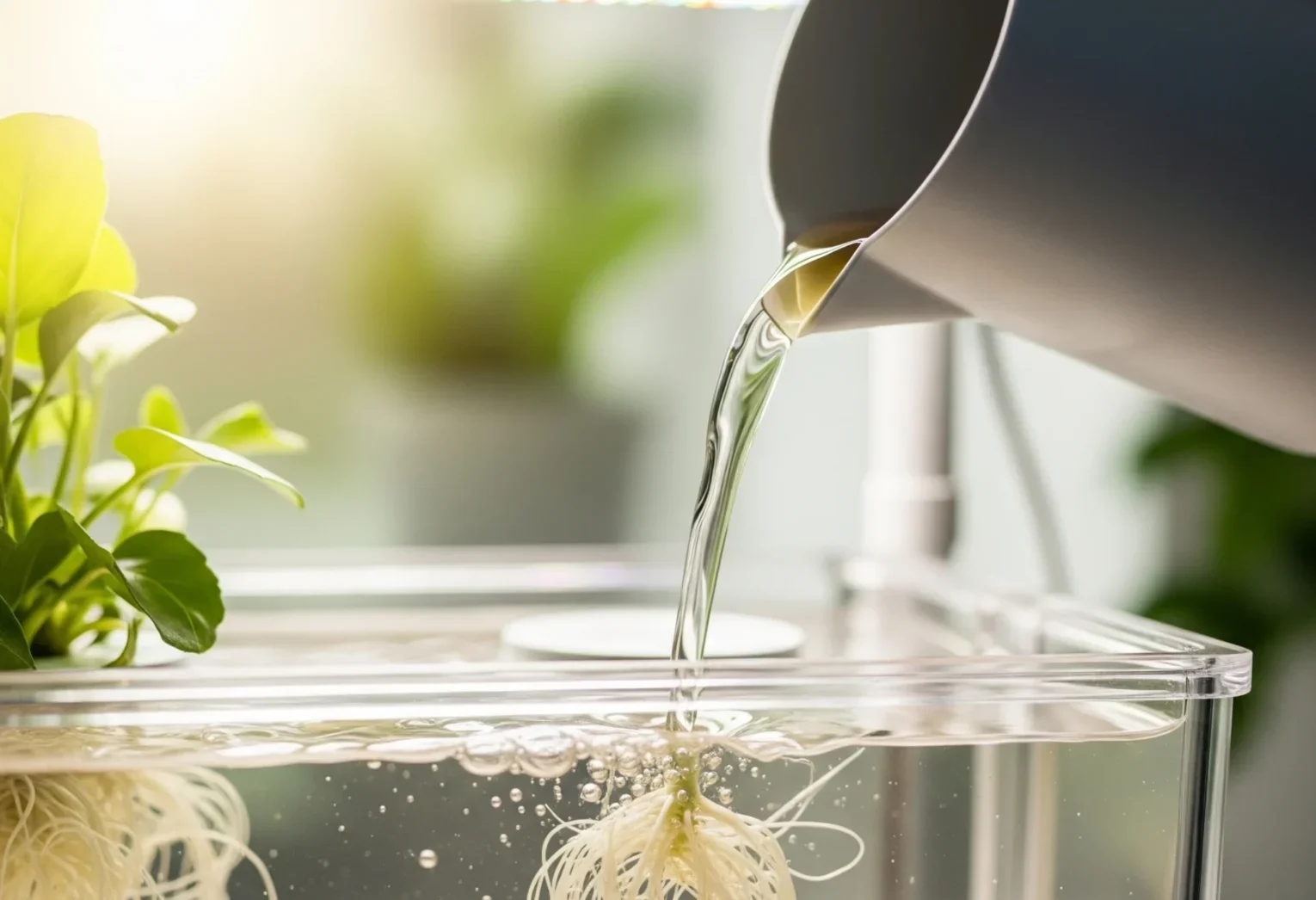
Nutrient Solutions
Craft custom feeding schedules that prevent deficiencies and boost yields. Our guides compare organic vs. synthetic nutrients, NPK ratios, and pH stabilization hacks. Mastering the EC (Electrical Conductivity) and pH balance of your water is the foundation of soilless growing. Whether you’re mixing vegetative growth formulas or blooming boosters, find the exact metrics you need.
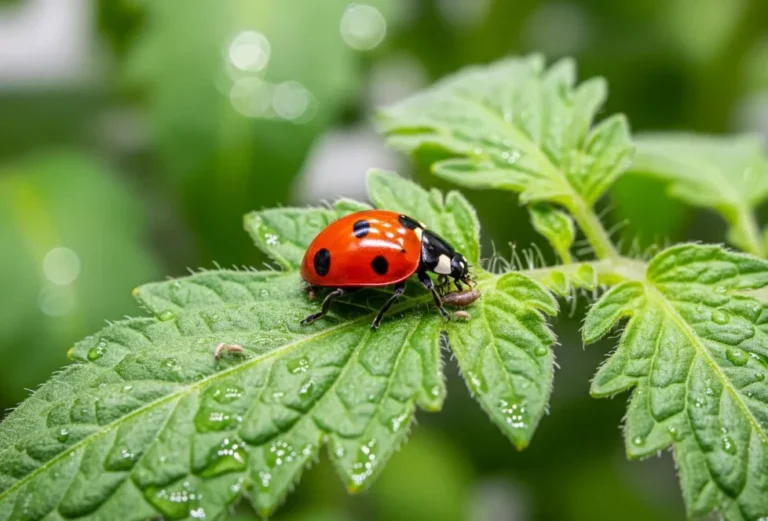
Disease & Pest Management
Build pest-resistant ecosystems using organic IPM strategies. Learn prevention, identification, and non-toxic treatments for common issues. A sterile reservoir and a clean grow tent are your first lines of defense. Discover how to identify root rot, powdery mildew, and spider mites before they destroy your harvest and learn to deploy beneficial microbes safely.
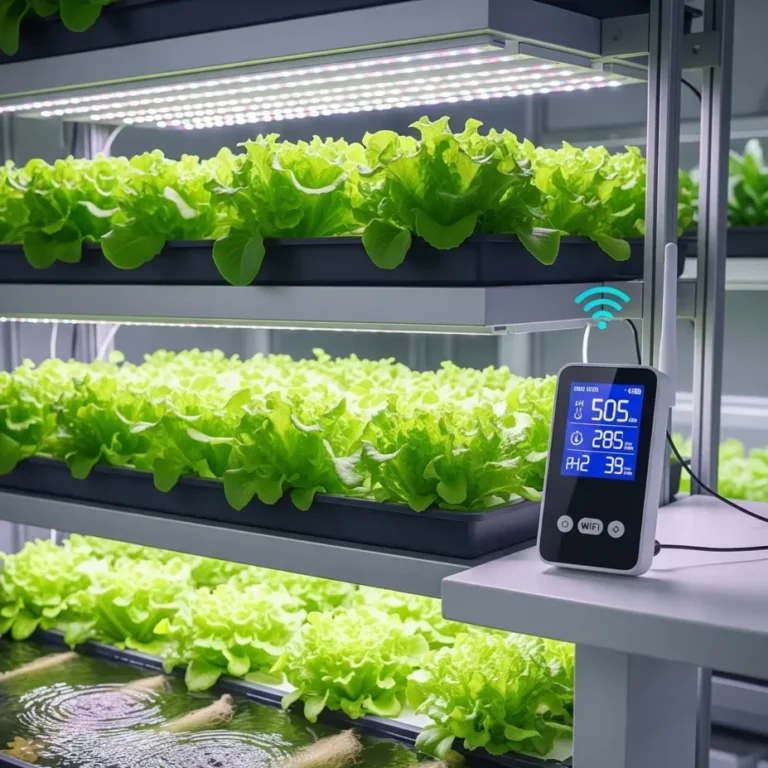
Plant Health Monitoring
Catch plant stress early using sensors and checklists. Compare top monitoring tools, from budget pens to automated Wi-Fi systems. From checking daily water temperatures to calibrating your pH meters, consistent monitoring ensures you catch environmental stress early. Learn how to read VPD charts and set up automated alerts to protect your crops 24/7.
Climate Control
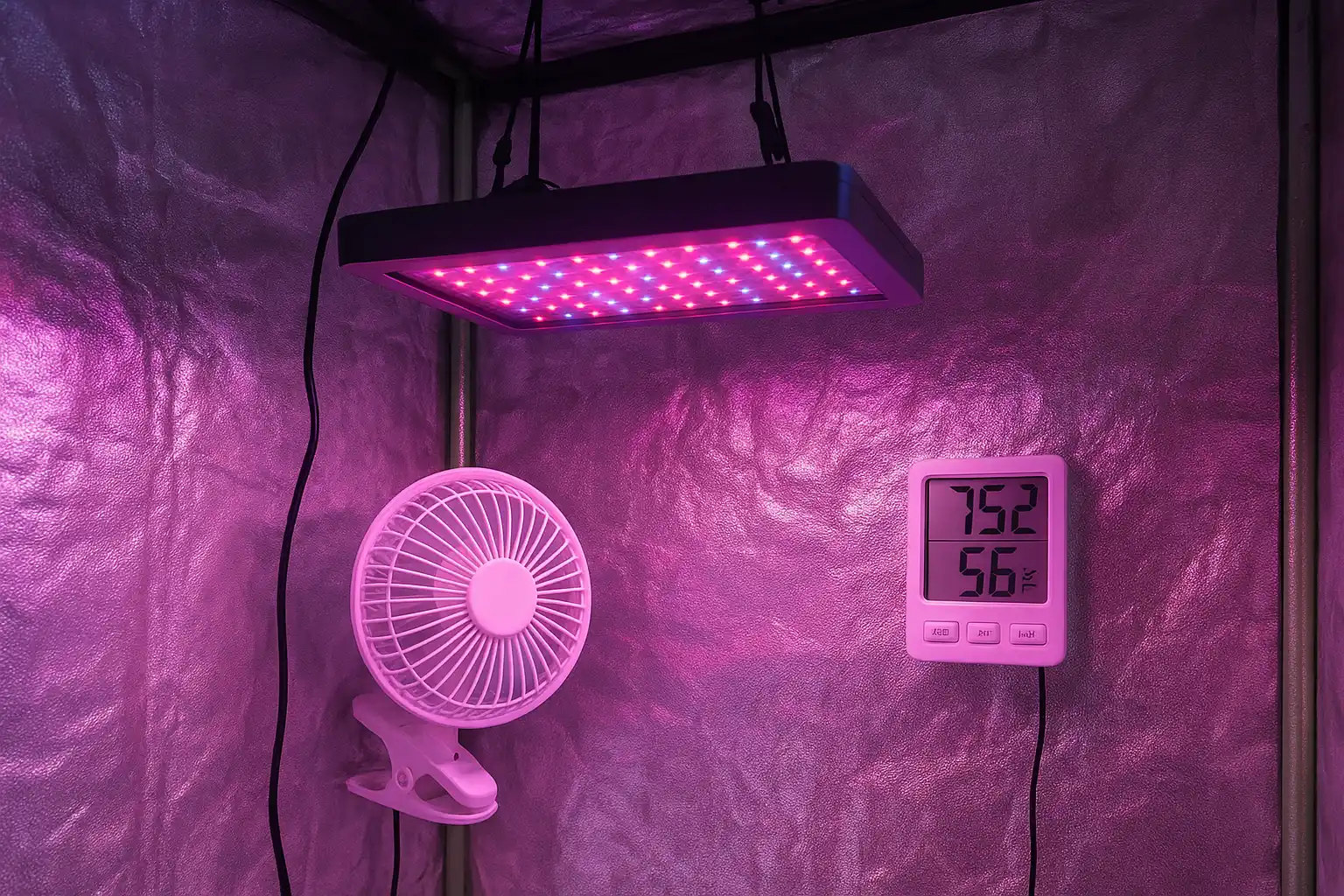
Take charge of temperature, humidity, and airflow to create a stable environment your plants will love. Explore how to pair grow tents with heaters, humidifiers, fans, and smart controllers to hit the right VPD, prevent mold, and keep your crop thriving in every season.
01 What is pH, and why is it so important for nutrient solutions?
pH tells you if your nutrient water is acidic or alkaline on a scale of 0 to 14. If your pH is off, plants can suffer nutrient lockout — they starve even when food is present. Most crops like a slightly acidic range of 5.5–6.5. Keep it in that sweet spot and roots unlock nutrients like a key fitting a lock. Check regularly with a reliable meter.
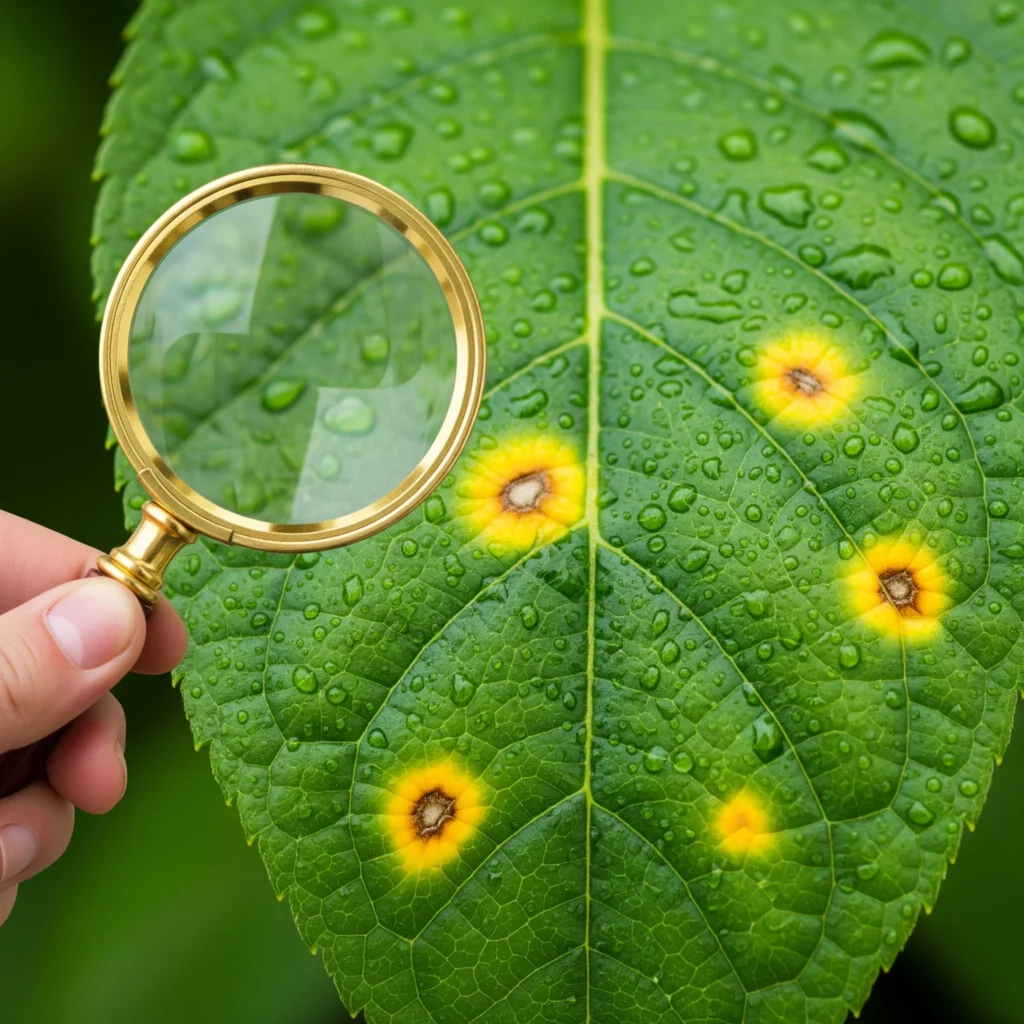
02 How can I identify common plant diseases and pests?
The best tool is your eyes — make a daily garden check part of your routine. Look for yellowing leaves, brown spots, or odd patterns (fungus or disease), and tiny holes or chewed edges (bugs). Always check leaf undersides with a magnifying glass; aphids, spider mites, and mealybugs love hiding there. Catch one bug today and save yourself from an invasion tomorrow.
03 What’s the best way to prevent pests in an indoor garden?
Don’t let them in at all. Quarantine any new plant for a couple of weeks, keep the grow area free of dead leaves and debris, and apply preventative sprays like Neem oil or insecticidal soap on a regular schedule. Think of it as locking the doors before trouble shows up.
04 Do my plants really need different nutrients at different stages of growth?
Absolutely. Young, leafy plants crave nitrogen, which powers lush green growth. Once plants shift into flowering and fruiting, phosphorus and potassium take over. Feed the wrong mix at the wrong stage and you’ll see weak plants and poor yields; dial in the timing and your plants will explode with growth and produce heavily.
05 How do I know if I’m overwatering or underwatering my plants?
Overwatered plants turn yellow, feel droopy, and may even smell bad (root rot creeping in). Underwatered plants also wilt, but feel dry and crispy instead of soft. Skip the “water every X days” advice — stick your finger in the medium; if it’s dry a couple of inches down, water. Plants follow conditions, not calendars.