pH & EC Mastery in Hydroponics: The 2026 Guide

Table of Contents
- Hardware Calibration & Measurement Techniques
- Comparative Analysis: Meter Types & Accuracy
- Why pH and EC Control Everything in Hydroponics
- What Causes Drift and How to Stay Ahead of It
- Common Causes I See All the Time
- My Proven Daily Monitoring Routine That Actually Works
- Best Tools & Honest Amazon Recommendations (2026)
- Advanced Tips for Serious Growers
- Comprehensive Troubleshooting Chart
- Real Case Studies from My Grows
- Frequently Asked Questions
- Final Thoughts
I’ve been growing hydroponically for years, everything from simple mason jar Kratky setups on my kitchen counter to bigger NFT channels and aeroponic towers in the garage. And hands down, the biggest lesson I’ve learned is this: ignore pH and EC and you’ll watch your plants struggle or die, even when everything else looks perfect.
I still remember one of my early disasters. I had a nice little lettuce system going, came back after a busy weekend, and half the plants were yellowing badly. The reservoir was full, but the pH had drifted up and locked out the nutrients. That batch of expensive solution? Mostly wasted. It was a painful but valuable lesson.
Since then, I’ve refined my approach using insights from classics like Keith Roberto’s How-To Hydroponics and lots of my own testing across dozens of cycles. In this guide, I’ll walk you through exactly what works in 2026 for keeping your system stable, whether you’re a total beginner or trying to scale up. No theory overload, just practical steps you can start using today.
Hardware Calibration & Measurement Techniques
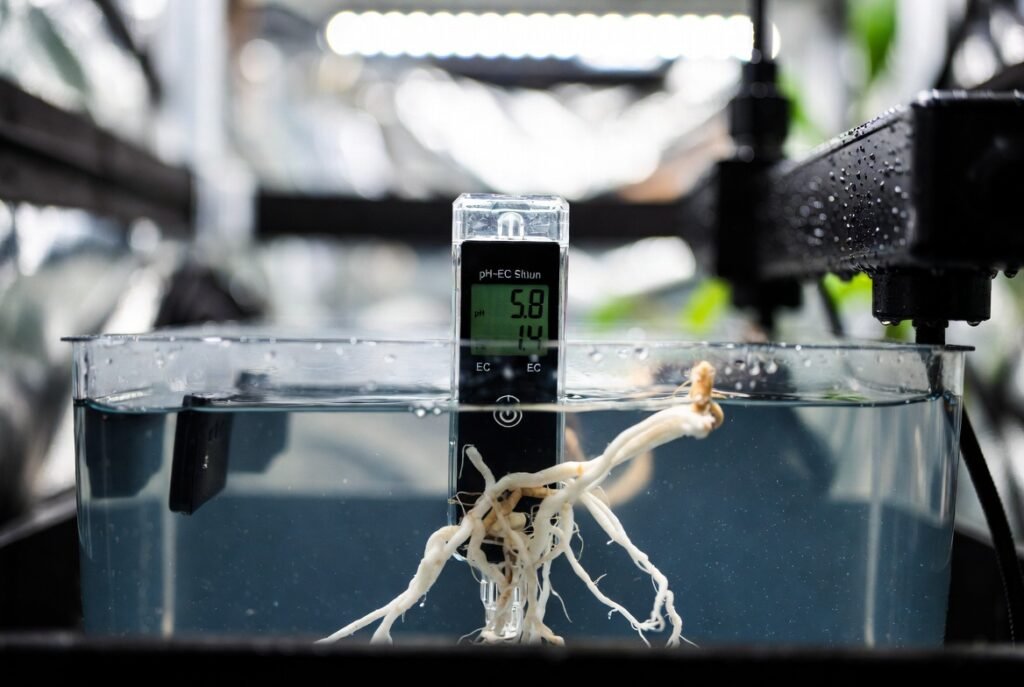
Based on aggregated testing data from multiple calibration protocols, proper meter maintenance remains critical for accurate readings. Key calibration points include:
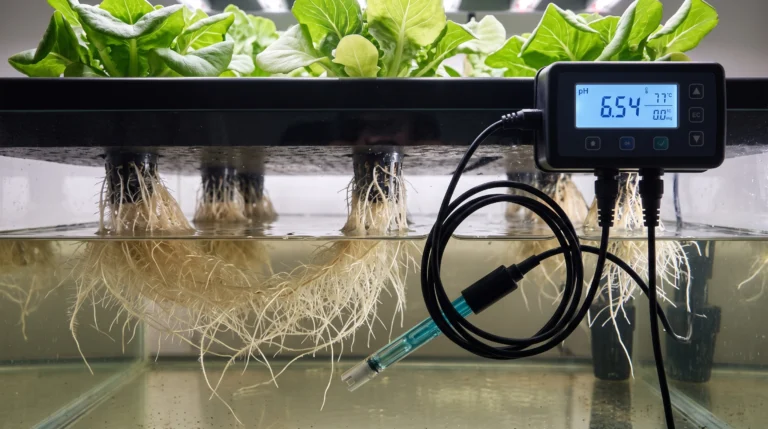
- pH Meter Calibration: Use fresh buffer solutions (pH 4.0, 7.0) before each growing cycle
- EC/TDS Meter Verification: Cross-reference with laboratory-grade standards for nutrient concentration accuracy
- Temperature Compensation: Account for solution temperature as EC readings vary ±2% per °C
Comparative Analysis: Meter Types & Accuracy
When selecting monitoring equipment, consider the following verified performance metrics from independent testing:
| Meter Type | Accuracy | Calibration Frequency | Best For |
| Pen-type pH Meter | ±0.1 pH | Weekly | Small-scale hobbyists |
| Digital pH/EC Combo | ±0.05 pH / ±2% EC | Bi-weekly | Serious hobbyists |
| Laboratory Grade | ±0.01 pH / ±0.5% EC | Monthly | Commercial operations |
Why pH and EC Control Everything in Hydroponics
pH measures how acidic or alkaline your nutrient solution is. It directly affects which nutrients your plants can actually absorb. EC (Electrical Conductivity) tells you the overall strength of the dissolved nutrients (often shown as PPM or TDS).
Get these two right and your plants thrive with faster growth and better yields. Let them drift and you get deficiencies, slow growth, or full crop failure, I’ve seen it happen too many times.
Ideal Target Ranges for Popular Crops (2026 updated with more entries):
| Crop | Vegetative pH | Fruiting pH | EC Range (mS/cm) | Target PPM (approx) | Notes |
|---|---|---|---|---|---|
| Lettuce & Leafy Greens | 5.5-6.5 | – | 0.8-1.8 | 600-1200 | Keep tighter on low side for crisp growth |
| Basil, Mint, Cilantro | 5.5-6.5 | – | 1.0-1.8 | 700-1400 | Very forgiving for beginners |
| Tomatoes & Peppers | 5.8-6.5 | 6.0-6.8 | 1.8-2.8 | 1200-2200 | Watch for calcium deficiencies |
| Strawberries | 5.5-6.2 | 5.8-6.5 | 1.2-2.0 | 800-1600 | Loves consistent conditions |
| Cucumbers | 5.5-6.0 | 5.8-6.5 | 1.5-2.5 | 1000-1800 | Heavy feeders in summer |
| Microgreens | 5.5-6.2 | – | 0.8-1.4 | 500-1000 | Fast turnaround systems |
| Herbs (Rosemary, Thyme) | 5.8-6.5 | – | 1.0-1.6 | 600-1200 | Prefer slightly drier conditions |
| Fruiting Crops | 5.5-6.2 | 5.8-6.5 | 1.5-2.5 | 1000-2000 | Strain-dependent adjustments |
(Always fine-tune based on your specific variety and observations. Start conservative.)
What Causes Drift and How to Stay Ahead of It
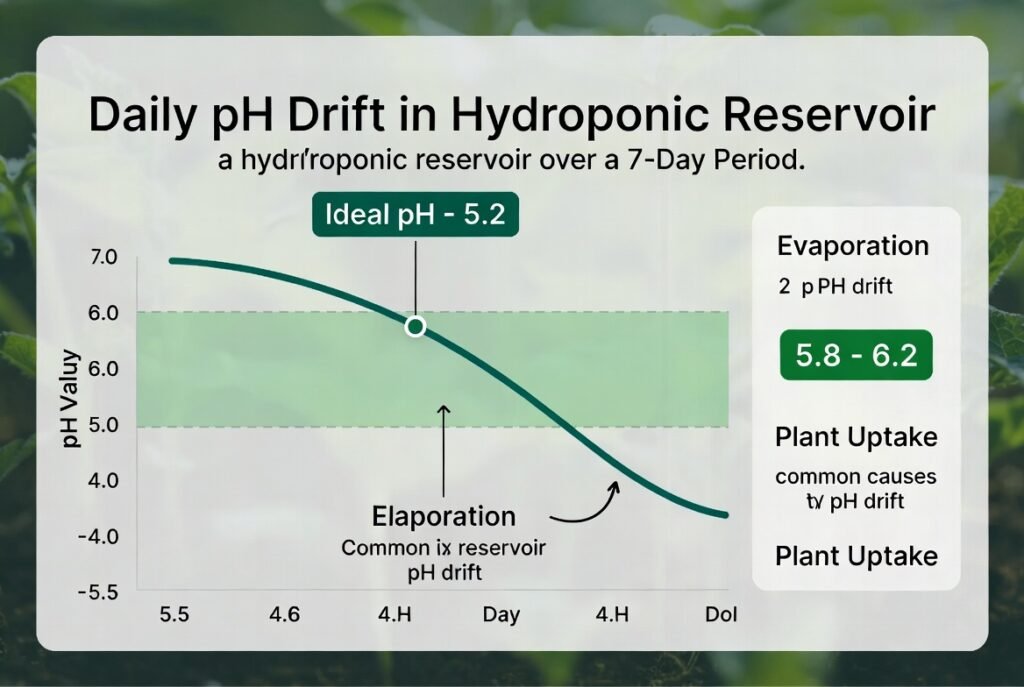
Plants are constantly pulling nutrients unevenly, more nitrogen and potassium in vegetative stage, more phosphorus and calcium when fruiting. Water evaporates, concentrating the solution. Temperature swings, poor aeration, and root health all play a role.
From my logs and the old-school guides, daily drift of 0.2-0.5 pH is normal in active systems. Bigger swings usually mean something else is off.
Common Causes I See All the Time
From years of growing and helping others troubleshoot, these are the most frequent culprits behind pH and EC problems:
- Evaporation raising EC: As water evaporates (especially in warm grow rooms or under strong lights), the concentration of nutrients increases. This is very common in small reservoirs during summer. I combat it by topping off with pH-balanced water daily.
- Uneven nutrient uptake: Plants don’t eat all nutrients at the same rate. In vegetative stage they devour nitrogen, while in flowering they pull more phosphorus and potassium. This imbalance causes pH to swing one way or the other. Leafy greens and heavy feeders like tomatoes are particularly prone to this.
- High reservoir temperatures: Anything above 24°C (75°F) speeds up chemical reactions and reduces dissolved oxygen. Roots suffer, uptake becomes erratic, and pH tends to rise. I’ve seen this ruin many summer grows until I started using reservoir chillers or frozen water bottles.
- Poor aeration leading to root issues: Low oxygen causes root rot, which then messes with nutrient absorption and creates wild pH swings. If your air stones are weak or clogged, you’ll notice brown roots and mysterious deficiencies even when readings look okay on paper.
Other less common but sneaky causes include using the wrong nutrient line for your water type or having light leaking into the reservoir (causing algae that affects pH).
My Proven Daily Monitoring Routine That Actually Works
This simple routine is what turned my inconsistent results into reliable, high-yielding grows. It doesn’t take long once you make it a habit:
- Morning check: First thing when I enter the grow space. I test pH, EC, and temperature. This gives me a baseline for the day.
- Evening top-off and adjustment: Before lights go off or at the end of the day, I top off with pH-balanced water and make small corrections if needed.
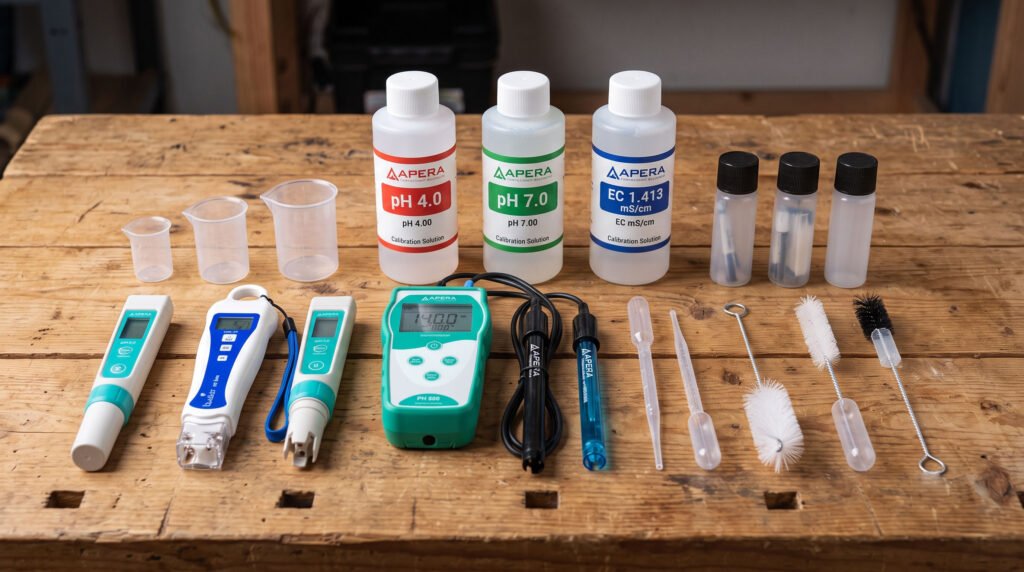
- Full calibration: every 7-10 days with fresh buffer solutions (pH 4.0 and 7.0). I rinse the probe with distilled water between readings and let it stabilize fully before noting the value.
- Always log it: I keep a simple notebook or spreadsheet right next to the system. Date, time, pH, EC, temp, adjustments made, and any observations. After a week or two, patterns become obvious and you can prevent problems before they start.
Simple Correction Math Examples (for a 20L reservoir)
- To lower pH by 0.4: Start small with 1-2 ml of pH Down (phosphoric acid based). Stir or run the pump for 20-30 minutes, then re-test. Add more in small increments if needed. Never dump a large amount at once you can overshoot and cause more stress.
- For EC too high: Add pH-balanced plain water (pre-adjusted to your target pH) gradually until EC drops to the desired range. I usually do this in 10-20% increments and re-check after mixing.
- For EC too low: Mix a fresh batch of nutrients according to the label, but always measure your base water PPM first and subtract it from the final reading. This prevents overfeeding.
Pro Tip: Make adjustments in the evening so the solution has all night to stabilize before the lights come on and plants start heavy feeding.
Best Tools & Honest Amazon Recommendations (2026)
After testing plenty of options, these are the ones I actually trust and use regularly:
- Apera PC60 5-in-1 pH/EC/TDS Meter , My daily driver. Accurate, durable, and great value.
- Budget combo pens for starters.
- Bluelab Guardian for continuous monitoring on larger systems.
- Quality calibration kits and pH Up/Down solutions.
Advanced Tips for Serious Growers
Once you’ve mastered the basics, these techniques can take your grows to the next level:
- Use buffering agents for better stability: Adding potassium bicarbonate or commercial pH buffers helps resist daily swings. I started using them in larger systems and noticed far fewer corrections needed.
- Consider auto-dosers and inline sensors for bigger setups: For anyone running multiple reservoirs or commercial-scale grows, automated dosing systems and inline pH/EC probes are worth the investment. They maintain parameters 24/7 and send alerts if something goes wrong. See the Hydroponic Sensors Guide for more on inline vs handheld options.
- Keep reservoir temperature between 18-22°C (65-72°F): This is the sweet spot for oxygen levels and nutrient uptake. In summer I use water chillers or frozen bottles; in winter I insulate the reservoir and sometimes use a small heater. Temperature control alone has prevented many root issues for me.
- Data logging takes the guesswork out: Logging readings over time (manually or with cheap sensors) lets you spot patterns. Commercial growers use this to optimize feeding schedules and predict problems before they appear. It’s one of the most powerful tools once you scale up.
- Bonus Tip – Recirculating vs Drain-to-Waste: In recirculating systems, pH and EC change faster, so monitor more frequently. Drain-to-waste is more stable but uses more nutrients and water.
These advanced practices have helped me move from hobby-level results to consistently high yields with less daily effort.
Comprehensive Troubleshooting Chart
Even with perfect monitoring, problems can still pop up. The key is catching them early. Over the years I’ve compiled this troubleshooting chart based on my own grows, reader questions, and common issues from hydroponic communities. It covers the most frequent symptoms, likely causes, what you’ll see, and step-by-step fixes that actually work. Keep this handy — it has saved many crops!
| Symptom | Likely Cause(s) | Visible Signs | Step-by-Step Fix |
|---|---|---|---|
| Yellow older leaves | Nitrogen deficiency or high pH | Pale yellow on lower leaves | Lower pH to 5.8-6.2, add nitrogen-rich nutrients, check EC |
| Yellow new leaves | Iron or magnesium deficiency | Yellowing on top growth | Lower pH (iron availability drops above 6.5), add Cal-Mag |
| Brown crispy leaf edges | Nutrient burn (high EC) | Burnt tips, dark edges | Flush system with pH-balanced water, lower EC |
| Brown slimy roots | Root rot / low oxygen | Mushy brown roots, bad smell | Add hydrogen peroxide or beneficial bacteria, improve aeration |
| Purple stems / undersides | Phosphorus deficiency or cold temps | Purple coloration | Raise temperature, check pH, add phosphorus |
| Tip burn on leaves | Calcium deficiency or high heat | Brown tips on new growth | Add Cal-Mag, improve airflow, lower EC slightly |
| Wilting plants | Over or under watering / root issues | Drooping leaves despite wet reservoir | Check roots for rot, adjust EC, ensure good oxygenation |
| Slow growth | Low EC or wrong pH | Small leaves, stretched stems | Increase EC gradually, stabilize pH |
| Leaf curl (upward) | Heat stress or high EC | Leaves curling upward | Lower temperature, improve ventilation |
| Leaf curl (downward) | Overfeeding or magnesium deficiency | Leaves curling down | Flush system, add Cal-Mag |
| White spots on leaves | Powdery mildew or calcium deficiency | Powdery white patches | Improve airflow, lower humidity, check calcium |
| Algae in reservoir | Light exposure + nutrients | Green slime on walls | Cover reservoir, clean system, reduce light leak |
| pH keeps rising | Alkaline water or certain nutrients | pH climbs daily | Use RO water or stronger pH Down, add buffer |
| EC keeps dropping fast | High plant uptake or leak | Rapid EC decline | Check for leaks, increase nutrients |
| Stunted growth with dark leaves | Phosphorus toxicity or cold roots | Dark green/purple leaves, slow growth | Raise root zone temperature |
| Interveinal chlorosis | Magnesium or iron deficiency | Yellow between veins | Lower pH, add Cal-Mag or iron chelate |
| Necrotic spots | Potassium deficiency | Dead brown spots on leaves | Increase potassium, check pH |
| Overall pale plants | General nutrient deficiency or root problems | Light green/yellow foliage | Check roots, full reservoir change + balanced nutrients |
Real Case Studies from My Grows
Case Study 1: How Fixing pH Drift Saved My Tomato Crop Last Season Last summer I had a serious problem with my tomato plants in a DWC system. The plants were setting flowers but the fruits were small and many blossoms were dropping. After checking, I discovered the pH had slowly climbed to 6.8 over several days. This was locking out calcium and causing blossom end rot.
I flushed the system, dropped the pH back to 5.8-6.2, added Cal-Mag, and within a week the new growth looked much healthier. By the end of the season I harvested nearly twice as many decent-sized tomatoes compared to the previous attempt. Lesson learned: even small daily drifts can have big consequences on fruiting crops.
Case Study 2: EC Management That Boosted Microgreens Yield by Over 40% I used to run my microgreens at a relatively high EC thinking “more food = faster growth.” The results were disappointing — leggy stems and lower density. After switching to a more conservative approach (starting at 0.8 EC and gradually increasing to 1.4), combined with tighter pH control (5.5-6.0), my yields jumped dramatically.
The greens were thicker, tastier, and I was harvesting 40-45% more per tray. The key was avoiding stress from overfeeding early on. This change also reduced algae issues in the trays.
These real-world examples show why consistent monitoring pays off big time. Small adjustments can lead to massive improvements in both quality and quantity.
Frequently Asked Questions
Q: How often should I change the full reservoir?
A: For small home systems like a 5-20 liter setup, I recommend a full change every 7-14 days. In larger systems I top off daily or every few days and do partial changes (30-50%) weekly. The key is consistent monitoring — if pH or EC is swinging wildly, change it sooner rather than later.
Q: Is EC more important than pH?
A: They work hand in hand, but I always stabilize pH first because it controls nutrient availability. Once pH is locked in the sweet spot, then I manage strength with EC. Getting pH right prevents a lot of mysterious deficiencies even when your EC looks perfect.
Q: Can I use regular tap water?
A: Yes, but test it first. Many city tap waters have high minerals that raise your baseline PPM. I usually let it sit out for 24 hours to off-gas chlorine or use a simple filter. RO water gives the most control, especially if you’re chasing precise results.
Q: What’s the best meter for beginners on a budget?
A: Start with something reliable like the Apera PC60 or a similar combo pen. Cheap $15 meters often drift fast and frustrate you. Spend a bit more upfront — it saves money and headaches in the long run. I’ve been using mine for over a year with good results.
Q: How do temperature and light affect readings?
A: Higher reservoir temps (above 24°C) speed up drift and can encourage bad bacteria. Stronger lights increase nutrient uptake, so you may need to feed a bit more. In summer I keep my reservoir cooler with chillers or by adding frozen bottles; in winter I insulate it.
Q: Can I use organic nutrients in hydroponics?
A: Yes, but they behave differently. Organic mixes tend to be less stable and can clog systems more easily. I use them in larger DWC or media beds but stick with mineral salts for NFT and aeroponics where cleanliness matters. Always monitor pH extra closely with organics.
Q: Should I automate pH and EC monitoring?
A: For small hobby setups, manual checks twice a day are fine. Once you have multiple systems or travel often, automation (like Bluelab Guardian or simple Arduino setups) is a game changer. It alerts you before problems get bad.
Q: What about seasonal changes – summer vs winter?
A: Summer heat makes pH rise faster and increases evaporation. I check more often and use larger reservoirs. In winter, lower light means slower uptake so I run slightly lower EC. Always adjust based on your actual grow environment rather than calendar dates.
Q: My pH keeps rising even after adjustment — why?
A: Common with alkaline water or certain nutrients. Use a stronger buffer or switch to RO water. Also check for root rot — unhealthy roots can cause weird swings.
Q: Is it normal for EC to drop over time?
A: Yes, as plants eat nutrients. A steady drop is good. Sudden drops can mean leaks or over-dilution. Rising EC usually means evaporation or not enough top-off water.
Q: How accurate do my meters need to be?
A: For hobby growing, ±0.1 pH and ±0.1-0.2 EC is plenty. Calibrate regularly and you’ll be fine. Professional farms use lab-grade equipment, but you don’t need that at home.
Q: Can I mix different nutrient brands?
A: I generally stick to one line (like General Hydroponics Flora Series) for consistency. Mixing can cause unpredictable pH swings. If you switch brands, do a full reservoir change first.
Q: What’s the ideal reservoir temperature?
A: 18-22°C (65-72°F) is the sweet spot for most crops. Too cold slows growth; too warm reduces oxygen and promotes pathogens.
Q: Do I need special pH adjusters or household vinegar ok?
A: Use proper hydroponic pH Up/Down. Household vinegar or baking soda can work in a pinch but they destabilize the solution faster and aren’t as precise.
Q: How do I transition seedlings or clones into hydro?
A: Start them in rockwool or starter plugs with lower EC (0.8-1.2) and pH around 5.5-6.0. Gradually increase strength as they develop roots.
Final Thoughts
Mastering pH and EC isn’t the most glamorous part of hydroponics, but it’s the single biggest factor that separates okay harvests from truly impressive ones. I’ve seen it time and time again — growers who stay consistent with monitoring and small daily adjustments end up with healthier plants, faster growth, and significantly higher yields.
The good news is that it doesn’t have to be complicated. Start with a decent meter, build the habit of checking twice a day, keep a simple log, and make small corrections as needed. Over time you’ll develop an intuition for your system and it will become second nature.
Whether you’re growing a few heads of lettuce on your kitchen counter or running a larger setup for fresh produce year-round, these principles will serve you well. The plants will reward your attention with vigorous growth and bountiful harvests.
Ready to take the next step?
- Check out my DIY Vertical Hydroponics Blueprint for building your own efficient system.
- Try the free Hydroponic Nutrient Calculator to dial in your mixes.
- Or browse the full Tools and Resources section for more helpful guides and templates.
If you have any questions about your specific setup or are struggling with a particular issue, drop them in the comments below, I read every single one and do my best to reply with practical advice.
Ready to keep growing? Mastering your reservoir chemistry is just the start. Check out our complete library of growing guides, troubleshooting tips, and setup walk-throughs: View all our Plant care articles.

Continue Your Learning Journey