Organic Hydroponic Nutrients: Bio-Digesters & Veganics

Table of Contents
- The Challenge of Mineralization in Organic DWC
- Bio Digester Reservoirs: Mineralizing Organic Inputs
- Adapting Bio-Digesters for High-Heat & Tropical Climates
- Case Study: Organic Carbon Sources and Denitrification
- Veganic Hydroponics: Plant-Based Nutrition Systems
- Amino Acids as Organic Chelators
- Affiliate Gear for Organic Hydroponics
- Frequently Asked Questions (FAQ)
Organic hydroponic nutrients require a fundamental shift in how we manage water chemistry. Unlike sterile synthetic environments, organic systems rely on robust microbial populations to mineralize complex organic compounds into bio-available ionic salts.
Transitioning from synthetic mineral salts to organic hydroponic nutrients is one of the most technically demanding challenges an indoor grower can undertake. Standard hydroponics feeds plants directly with readily available ionic salts like calcium nitrate and monopotassium phosphate. Organic systems, however, introduce complex, unrefined inputs such as plant extracts, amino acids, and suspensions that plants cannot absorb directly.
To bridge this gap, the organic grower must cultivate an active microbial ecosystem. This shifts the focus from merely feeding the plant to feeding the microbes, which then process the organic matter into usable ions. This deep research guide explores the mechanics of organic nutrient breakdown, the role of bio-digesters, and the emerging field of veganic hydroponics.
The Challenge of Mineralization in Organic DWC
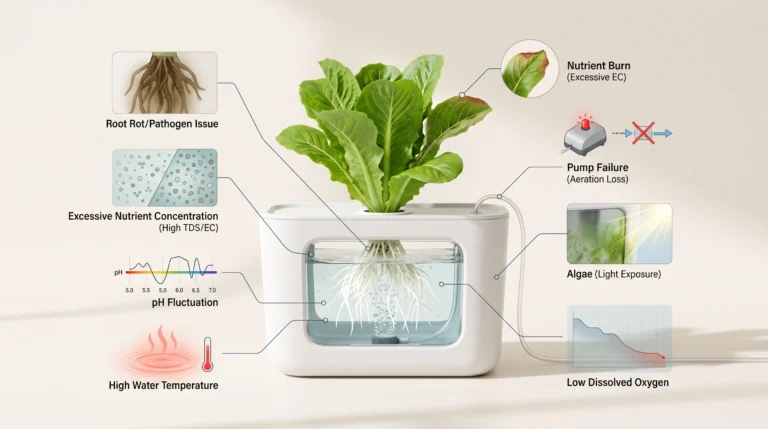
Organic DWC systems face significant dissolved oxygen depletion as aerobic bacteria consume massive amounts of oxygen to break down complex organic nutrient suspensions.
Growing with organic nutrients in a Deep Water Culture (DWC) setup presents unique biochemical hurdles. If you dump a liquid organic suspension directly into an organic dwc bucket, you are introducing a high biological oxygen demand (BOD) load. Aerobic heterotrophic bacteria immediately begin breaking down these complex carbon chains, consuming available dissolved oxygen (DO) at a rapid pace.
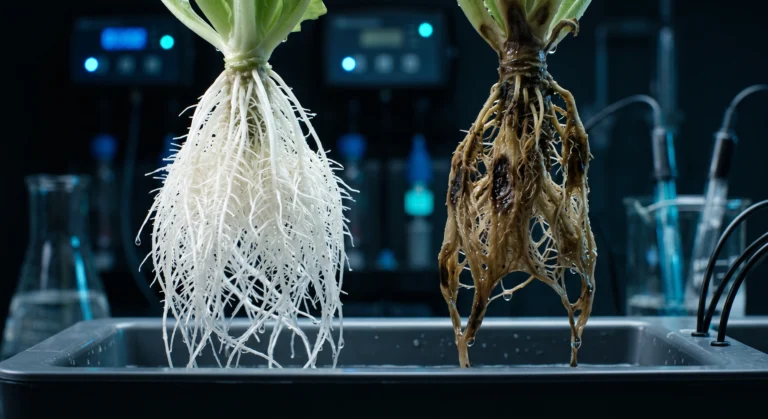
If DO levels drop below 4 mg/L, the system turns anaerobic, leading to root suffocation, the proliferation of harmful pathogens like Pythium, and extreme pH fluctuations. Understanding the balance of microbial life is crucial. For a foundational look at managing microbial populations, see our hydroponic microbes and enzymes guide.
To successfully run an organic DWC system, heavy aeration is non-negotiable. You must over-engineer your air injection, utilizing high-output commercial air pumps and micro-pore air stones to keep the dissolved oxygen saturation near maximum capacity. You must carefully monitor your baseline metrics; our hydroponic pH and EC mastery guide offers an excellent refresher on establishing target ranges before introducing complex organic loads.
Bio Digester Reservoirs: Mineralizing Organic Inputs
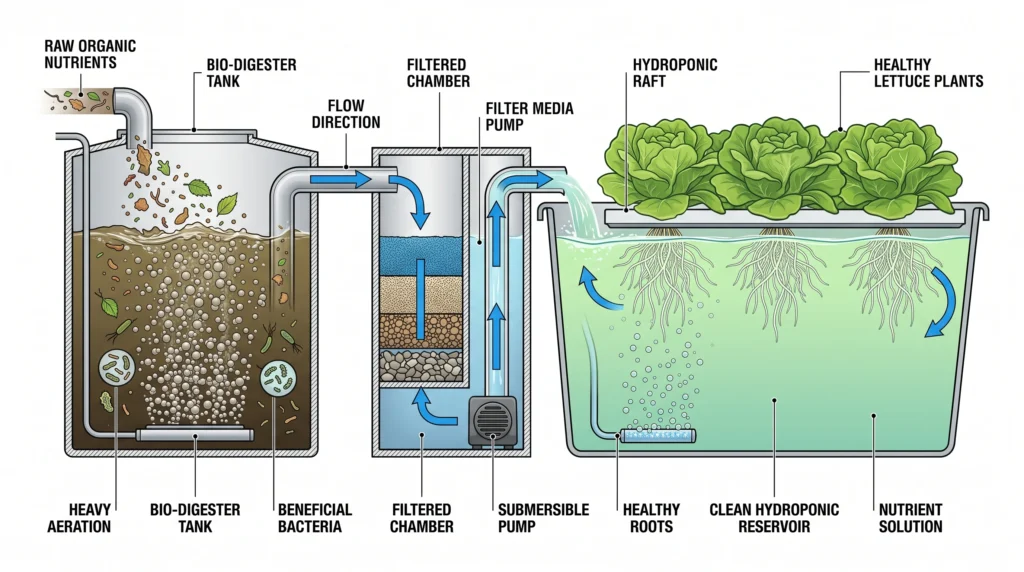
A bio digester reservoir acts as an external microbial stomach, actively breaking down and mineralizing raw organic inputs before they are introduced to the main hydroponic crop system.
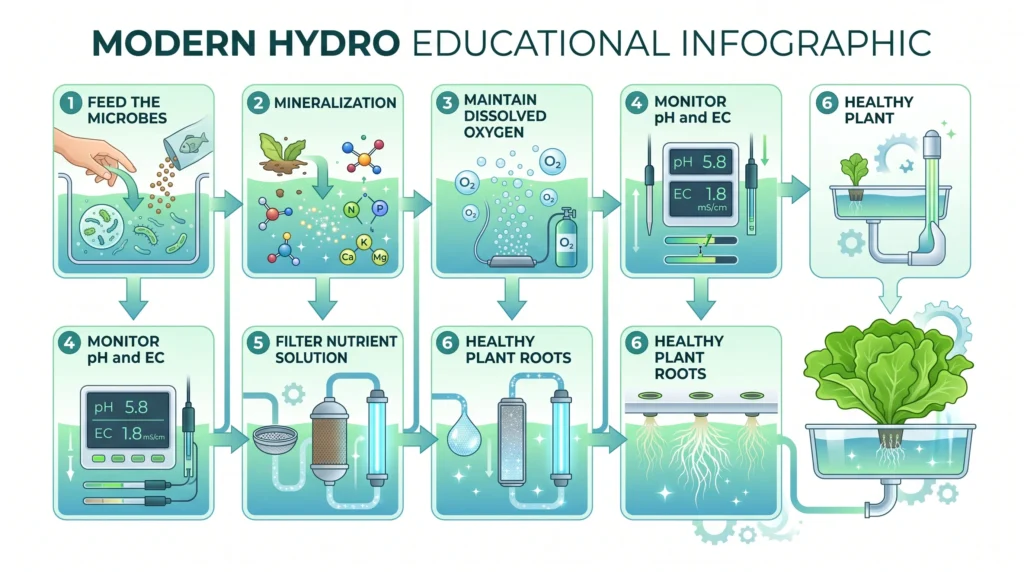
Attempting to mineralize organic matter directly in the root zone is risky. To mitigate the dangers of oxygen depletion and wild pH swings, elite growers utilize a bio digester reservoir. This external tank is heavily aerated and inoculated with a diverse consortium of beneficial bacteria and fungi. Raw organic inputs are added to the bio digester rather than the plant reservoir.
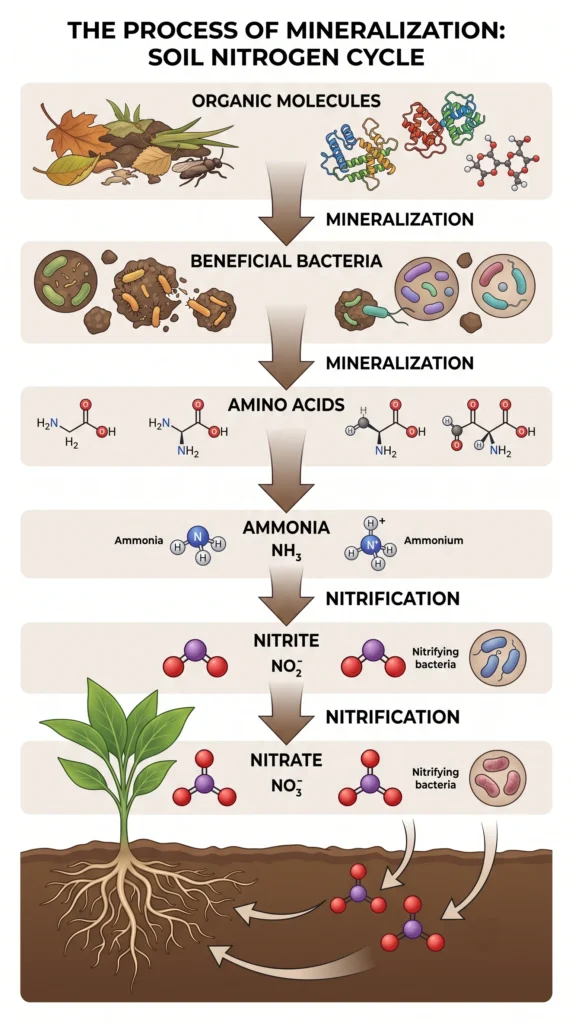
Inside the bio digester, microbes process the raw organics through mineralization and nitrification. Complex proteins are broken down into amino acids, then ammoniacal nitrogen, and finally converted by nitrifying bacteria (like Nitrosomonas and Nitrobacter) into plant-available nitrates (NO₃⁻). Once the brew is stabilized and fully mineralized, the nutrient-rich, biologically active liquid is filtered and slowly dosed into the main hydroponic system.
This two-stage approach prevents the primary root zone from becoming a murky, anaerobic mess. It allows growers to maintain tight control over the nutrient profile while reaping the benefits of organic inputs, such as enhanced terpene production and complex flavonoid profiles.
Adapting Bio-Digesters for High-Heat & Tropical Climates
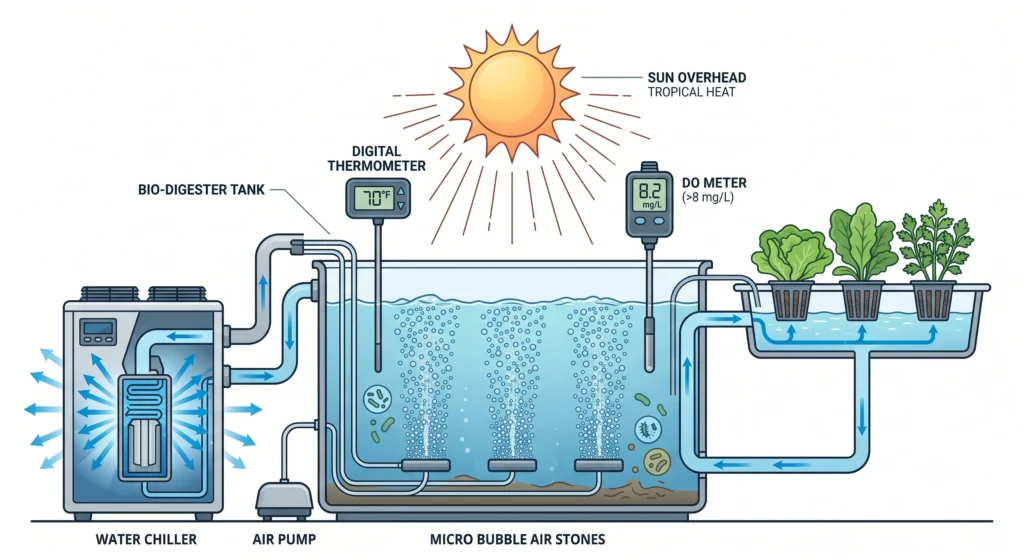
Running an organic DWC system in a tropical climate—where ambient temperatures regularly push past 30°C (86°F) adds a critical layer of difficulty. The physical laws of water chemistry dictate that as water temperature rises, its capacity to hold dissolved oxygen (DO) plummets.
In a sterile synthetic system, warm water is stressful. In an organic system, warm water is catastrophic. The high temperatures hyper-accelerate bacterial respiration. The microbes consume the remaining oxygen faster than your air pumps can replace it, turning your bio-digester or DWC buckets into an anaerobic, sulfur-smelling swamp within hours.
The High-Heat Action Plan:
- Mandatory Water Chilling: In high-heat regions, a commercial water chiller is not optional for organic hydroponics. You must force the bio-digester and root-zone temperatures down to 20-22°C (68-72°F) to maintain a DO holding capacity above 8 mg/L.
- Localized Organic Inputs: Instead of importing expensive, pre-bottled veganic kelp, tropical growers can utilize hyper-local, high-carbon aquatic plants. Composted water hyacinth (which aggressively absorbs heavy metals and is rich in potassium) or fermented neem seed extracts offer powerful, localized organic inputs that naturally resist pathogen blooms in warmer water.
- Ozone Sterilization (Pre-Digester): If utilizing local organic matter, pre-treating the raw water with an ozone generator before it enters the bio-digester ensures you aren’t introducing wild, heat-loving pathogenic strains (like Fusarium) into your controlled microbial ecosystem.
Case Study: Organic Carbon Sources and Denitrification
Integrating sustainable organic carbon sources into bio-filters can enhance microbial activity and denitrification, transforming wastewater and organic suspensions into balanced nutrient solutions.
A critical aspect of managing an organic hydroponic system—especially when dealing with high nitrogen loads—is the carbon-to-nitrogen (C:N) ratio. A 2019 study published in the Science of the Total Environment evaluated the use of granulated cork (Quercus suber) as a sustainable “internal” organic carbon source to treat high-nitrate hydroponic wastewater and support biological denitrification.
The researchers discovered that raw organic materials with a high carbon content and specific particle sizes heavily influence the release of non-purgeable organic carbon (NPOC), which fuels microbial biofilm growth without releasing excess organic nitrogen.
Let’s look at the chemical composition of the cork granulates used as an organic carbon medium in this study:
Chemical Composition of Granulated Cork (Quercus suber)
| Chemical Compound | Extraction Part: Belly (%) | Extraction Part: Back (%) | Average Total (%) |
| Suberin | 33.5 – 53.1 | 21.1 – 40.7 | 51.3 ± 0.2 |
| Total Lignin | 14.9 – 31.0 | 18.9 – 28.0 | 14.1 ± 0.6 |
| Suberin + Lignin | 55.0 – 69.8 | 49.0 – 64.6 | 65.4 |
| Carbon (C) | 60.2 – 62.5 | 51.5 – 59.7 | 61.7 ± 0.9 |
| Nitrogen (N) | 1.3 – 3.1 | 1.2 – 2.0 | 0.68 ± 0.05 |
Data sourced from “Science of the Total Environment” (Castellar et al., 2019).
The high suberin and lignin content, combined with a total carbon mass of 61.7% and a nitrogen mass of less than 1%, makes this type of organic by-product an excellent carbon source for microbial filters. The study noted that smaller particle sizes (4 mm versus 8 mm) released organic carbon faster due to increased surface area, treating double the volume of high-nitrate wastewater.
When applying this science to your own bio digester reservoir, understanding how particle size and carbon release rates affect microbial colonization is paramount. For DIY enthusiasts looking to build robust bio-filtration systems, exploring our DIY DWC hydroponic kit can provide a foundation for designing external bio-digester tanks.
Veganic Hydroponics: Plant-Based Nutrition Systems
Veganic hydroponics eliminates all animal-derived inputs, relying exclusively on fermented plant extracts, kelp, and microbe-processed mineral rock dusts to supply complete plant nutrition.
Veganic hydroponics blends vegan principles with organic agriculture. Traditional organic hydroponics often relies on animal by-products like blood meal, bone meal, feather meal, and fish emulsion. While these are effective nutrient sources, they can introduce heavy metals, foul odors, and unpredictable pathogen loads into a sterile indoor environment.
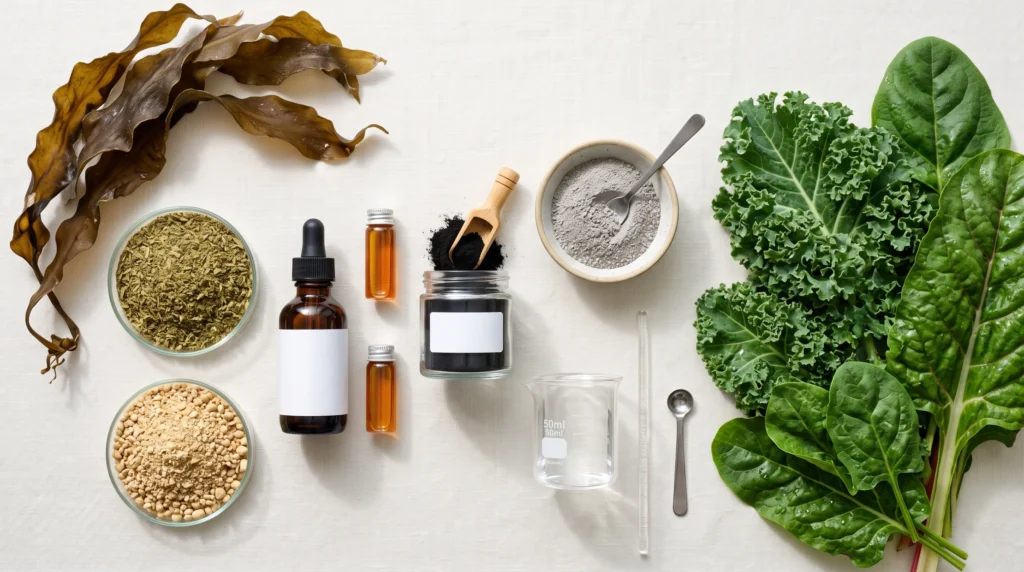
Veganic systems avoid these issues by using 100% plant-based inputs. Common ingredients include:
- Kelp Extract (Ascophyllum nodosum): Provides potassium (K), trace minerals, and natural plant growth hormones like cytokinins and auxins.
- Alfalfa Meal: An excellent source of nitrogen (N) and triacontanol, a natural growth stimulant.
- Soybean Meal: Rich in amino acids and slow-release nitrogen.
- Humic and Fulvic Acids: Mined from ancient plant deposits (leonardite), these organic acids act as powerful natural chelators, increasing the bioavailability of micronutrients like iron (Fe) and zinc (Zn).
Because veganic inputs are entirely plant-based, they often carry a lower biological oxygen demand than raw animal by-products, making them slightly easier to manage in recirculating systems. You still need an active microbial population to break down these plant materials, but the resulting solution is generally cleaner and less prone to putrefaction. For a deeper understanding of baseline hydroponic nutrition, review our hydroponic nutrients guide.
Amino Acids as Organic Chelators
Amino acids act as powerful natural chelators, binding to metal ions and facilitating their transport across the root cell membrane with exceptional efficiency.
In synthetic hydroponics, trace metals like iron and manganese are kept soluble using synthetic chelating agents such as EDTA, DTPA, or EDDHA. In organic and veganic hydroponics, these synthetic chelators are prohibited. Instead, growers rely on amino acids derived from hydrolyzed plant proteins.
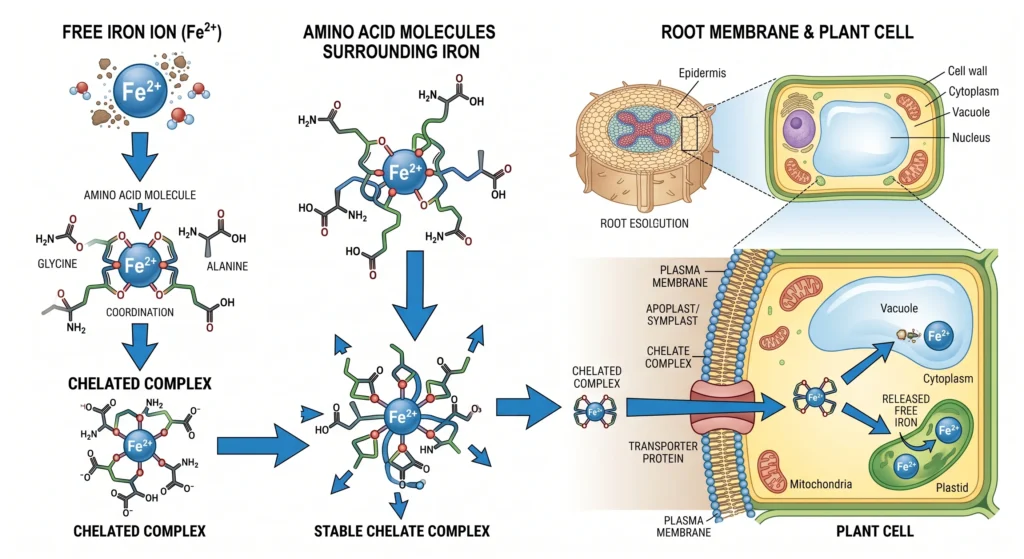
Amino acid chelation occurs when the amino acid molecule wraps around a metal ion (like Fe²⁺), neutralizing its charge and protecting it from reacting with other elements in the solution (such as phosphorus, which would cause precipitation). Because plants naturally recognize and absorb amino acids, they easily take up the entire amino acid-metal complex. Once inside the plant, the metal is released for metabolic use, and the plant utilizes the amino acid as a direct source of organic nitrogen.
This dual-action benefit makes amino acid supplements a cornerstone of high-performance organic hydroponic nutrient regimes.
Affiliate Gear for Organic Hydroponics
Properly monitoring an organic hydroponic system requires specialized equipment to track the intense biological activity. If your sensors fail, your ecosystem crashes.
LOHAND Digital DO (Dissolved Oxygen) Meter
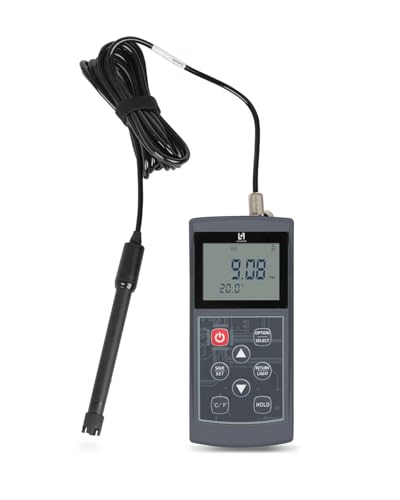
- Professional Dissolved Oxygen Meter: LOHAND DO meter LH-D701 features a 0.00-20.00mg/L full dissolved oxygen measurement…
- Triple Compensation Technology: Equipped with manual atmospheric pressure compensation (60.0-110.0KPa) and manual salini…
- Ideal Design: Boasts a wide LCD screen with clear data display and intuitive operation prompts, plus high-brightness bac…
Why Growers Love It:
- Life or Death Accuracy: In organic DWC or when running a bio-digester, tracking dissolved oxygen is a matter of life and death for the root zone. Organic matter breakdown strips oxygen rapidly.
- Real-Time Data: This meter provides highly accurate, real-time DO readings in mg/L, allowing you to adjust your air injection rates long before the system turns anaerobic.
Room for Improvement:
- Calibration: The galvanic probe requires regular calibration and membrane maintenance to ensure lab-grade accuracy.
Bottom Line for Growers: An absolute necessity for scaling up organic hydroponics. You cannot run a high-BOD (Biological Oxygen Demand) organic system blind.
Hanna Instruments GroLine pH/EC/Temperature Multiparameter
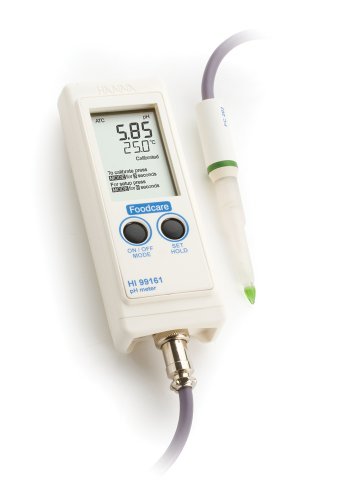
- Waterproof portable pH and temperature meter for measuring semi-solids such as meats and cheeses
- Automatic Temperature Compensation (ATC) for accurate readings in fluctuating temperatures and one- or two-point automat…
- Multilevel LCD screen simultaneously shows the current measurement, the current temperature, and has onscreen tutorial m…
Why Growers Love It:
- Bio-Film Resistance: Organic solutions are notoriously hard on standard probes due to the thick microbial biofilm buildup. The GroLine features a rugged, easy-to-clean probe designed specifically to resist fouling from organic suspensions.
- Quick Calibration: Features a single-button calibration mode using a quick-cal solution, saving you massive amounts of time during weekly reservoir maintenance.
Room for Improvement:
- Storage: Like all precision instruments, the probe must be stored properly in a conditioning solution, or it will degrade rapidly.
Bottom Line for Growers: A workhorse meter that won’t get destroyed by the thick, living biology floating inside your bio-digester.
Frequently Asked Questions (FAQ)
Can I run organic hydroponic nutrients in an NFT system?
Running organics in a Nutrient Film Technique (NFT) system is highly discouraged for beginners. The biofilm produced by organic breakdown quickly coats the narrow NFT channels and clogs micro-irrigation emitters, leading to flow restrictions and root suffocation. Organics are best suited for DWC, ebb and flow, or run-to-waste media systems.
What is the ideal pH for an organic hydroponic system?
Organic systems tend to operate best at a slightly higher pH than synthetic systems, typically between 5.8 and 6.4. The active microbial populations naturally buffer the pH, but extreme swings should still be monitored. Avoid harsh synthetic pH adjusters; use organic acids (like citric acid) for pH down and potassium silicate or potassium bicarbonate for pH up.
How do I prevent my bio digester reservoir from smelling bad?
A healthy bio digester should smell like rich, forest earth. If it smells like rotten eggs or sulfur, it has gone anaerobic. To fix this, increase your air pump capacity, add micro-pore air stones, and reduce the amount of raw organic matter you are feeding into the tank until the microbial population can catch up.
Is veganic hydroponics better for terpene production?
Many cultivators report that veganic hydroponics enhances the complex terpene and flavonoid profiles of their crops. The continuous supply of humic acids, fulvic acids, and diverse plant-derived micronutrients provides the raw building blocks plants need to maximize secondary metabolite production without the heavy metal accumulation sometimes associated with animal by-products.
Ready to keep growing? Mastering your reservoir chemistry is just the start. Check out our complete library of growing guides, troubleshooting tips, and setup walk-throughs: View all our Plant care articles.

Continue Your Learning Journey