UV Grow Lights: What Research Shows on Terpenes

Table of Contents
- Abstract: The Science of UV Light Grow Lights
- UV-A vs UV-B: The Photobiology
- What the Research Actually Shows
- Dosing Protocol: How Growers Typically Apply UV
- UV for Culinary Herbs
- Essential Equipment for UV Integration
- Industry Implications
- Frequently Asked Questions
- The Final Word on UV Supplementation
A grow-shop legend says adding UV light is a guaranteed shortcut to frostier, more aromatic harvests. The published research tells a messier story. Here’s what’s actually been measured.
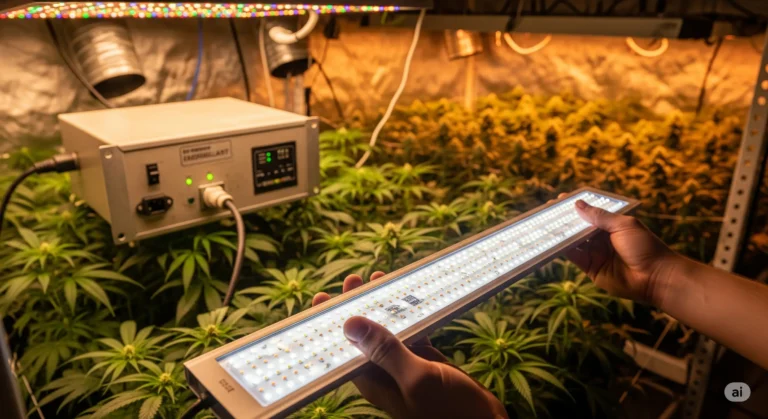
Harnessing the power of the sun indoors has always been the goal of controlled-environment agriculture. Modern lighting has largely perfected delivering Photosynthetically Active Radiation (PAR) for yield, but the qualitative side of indoor crops, aroma, resin, flavor, often falls short of sun-grown outdoor plants. The commonly cited missing ingredient is ultraviolet radiation, and a small industry has grown around uv light grow lights promising thicker trichomes and richer terpene profiles.
The physiological logic is real: UV exposure does trigger a documented plant stress response. What’s much less settled is whether adding UV in a controlled grow room reliably produces the dramatic gains often claimed. This piece walks through the UV spectrum, what peer-reviewed trials have actually found, and how to test a supplemental uv led grow tent setup on your own crop without just taking someone’s word for it.
Abstract: The Science of UV Light Grow Lights
UV radiation triggers a documented stress response in plants tied to production of protective secondary metabolites like flavonoids. Whether supplemental UV-A/UV-B reliably increases terpene or secondary metabolite concentration in a modern indoor cultivar is less settled, peer-reviewed trials show effects that vary significantly by cultivar, UV ratio, and intensity, and several controlled studies found no benefit or a net negative effect on yield and quality.
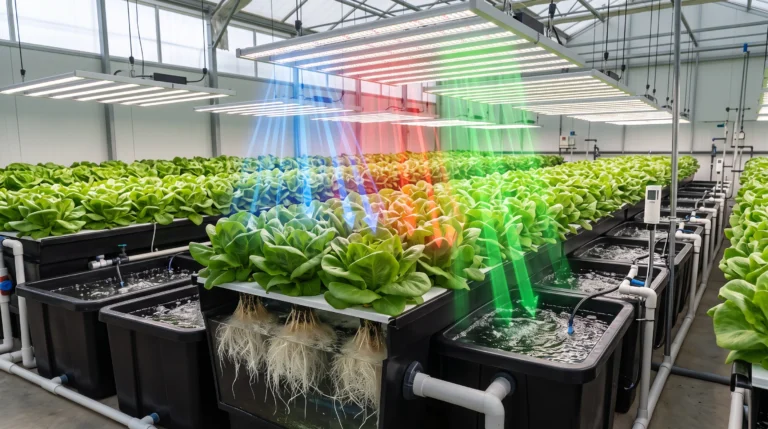
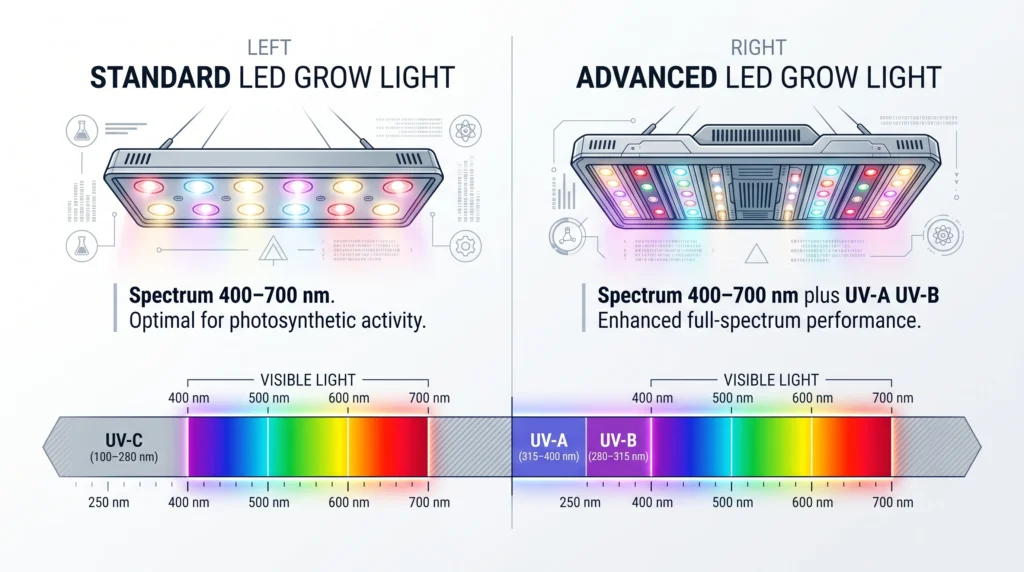
To understand why UV keeps coming up in grower forums, look at how plants evolved under natural sunlight. The sun emits a continuous spectrum. The PAR range (400-700nm) drives photosynthesis, and standard indoor LEDs and HPS lamps focus almost entirely there. Wavelengths below 400nm fall into the ultraviolet spectrum, invisible to the human eye and largely absent from standard grow lighting.
UV-A vs UV-B: The Photobiology
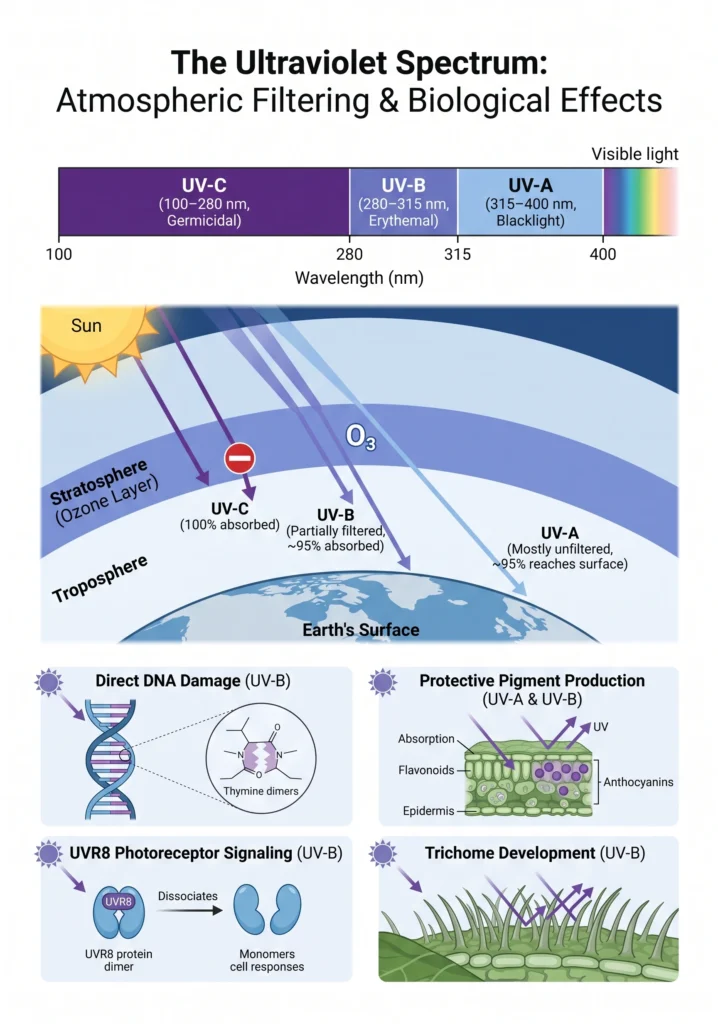
The UV spectrum breaks into three bands:
- UV-A (315-400nm): Sits just outside visible blue light, passes through the atmosphere easily, and is mildly stressful to plants associated with leaf thickening and slight pigmentation increases.
- UV-B (280-315nm): Mostly filtered by the ozone layer, but the portion that reaches the surface causes sunburn in humans and triggers a stronger plant stress response via the UVR8 photoreceptor.
- UV-C (100-280nm): Fully absorbed by the ozone layer, highly destructive to DNA. Used for sterilization, never for growing plants.
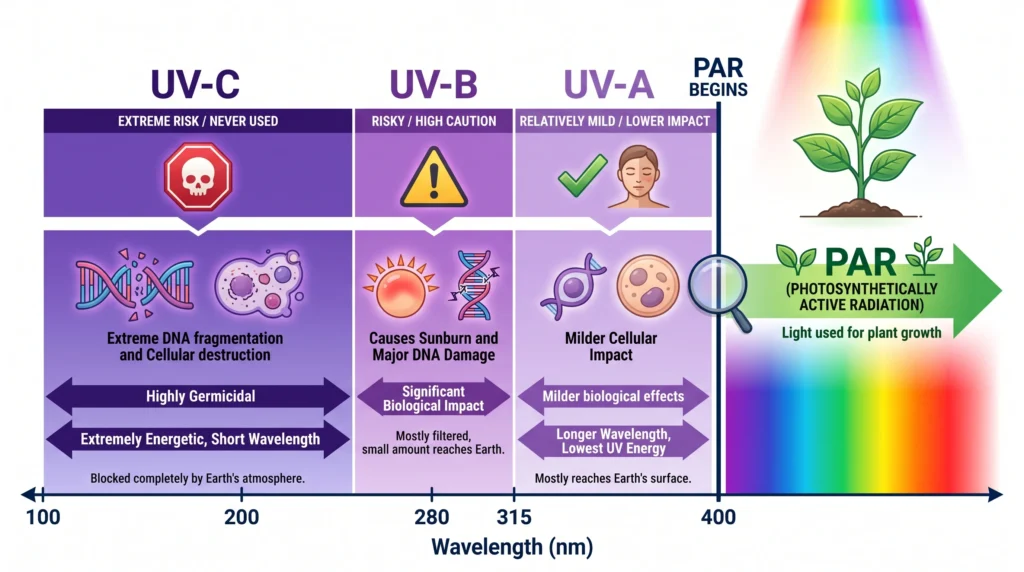
When exposed to UV, plants respond the way human skin does to sun by producing protective compounds. In resin-producing plants, that response shows up as trichomes, flavonoids, and terpenes. The theory behind uv light grow lights is that deliberately triggering this defense indoors pushes the plant to build more of that protective layer. The theory is sound biology; the practical question is how much it actually moves the needle in a modern, already-potent cultivar which is where the research gets more nuanced.
What the Research Actually Shows
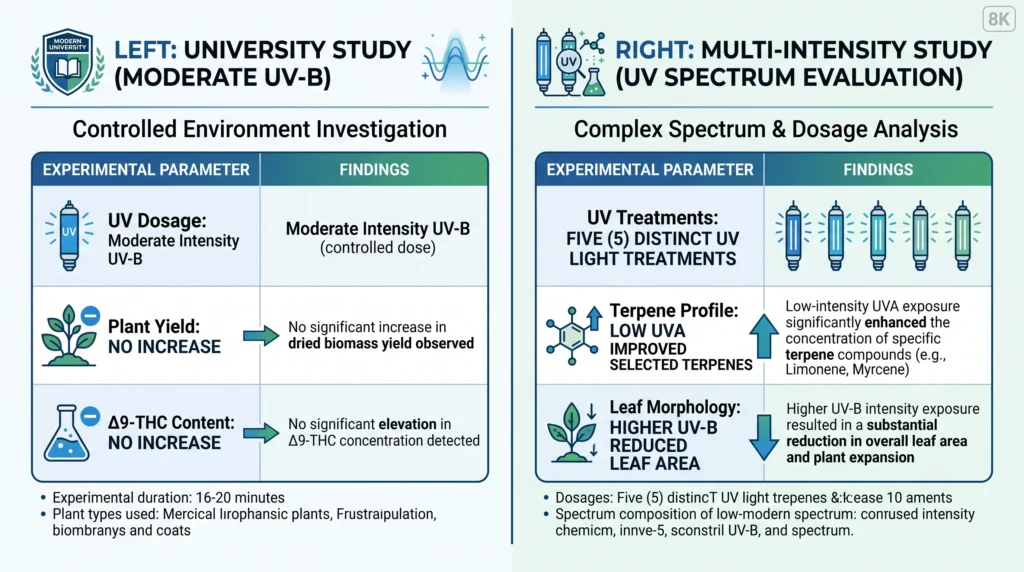
Controlled peer-reviewed trials on high-value fruiting crops have found mixed and often disappointing results from supplemental UV. A 2021 University of Guelph study found UV-B did not increase yield or secondary metabolite concentration in either of two modern cultivars tested, and both yield and terpene content decreased in one cultivar as UV exposure increased. A separate multi-intensity study found predominantly negative effects on yield and quality, with only one narrow, low-intensity, UVA-dominant treatment improving specific terpenes.
Two real, checkable studies are worth knowing before you invest in UV hardware:
University of Guelph (Rodriguez-Morrison, Llewellyn & Zheng, 2021) tested UV-B exposure across two indoor tomato/pepper cultivars over a full flowering cycle. The conclusion was direct: UV radiation as a production tool did not produce commercially relevant benefits to yield or secondary metabolite composition, and one cultivar actually showed lower yield, lower secondary metabolite levels, and lower total terpene content as UV exposure increased. (Full study on PMC)
A more recent multi-intensity trial tested five different UV-A:UV-B ratios and intensities. The results were predominantly negative for yield and flower quality overall. The one exception: a low-intensity, heavily UV-A-weighted treatment measurably increased three specific terpenes (linalool, limonene, myrcene) without changing the overall secondary metabolite profile, while a higher UV-B share actually reduced leaf area. (Full study on PMC)
| Study | UV Treatment Tested | Yield Effect | Secondary Metabolite Effect | Terpene Effect |
|---|---|---|---|---|
| Guelph (2021), 2 cultivars | UV-B, increasing exposure levels | No increase; decreased in 1 of 2 cultivars | No increase; decreased in 1 cultivar | Decreased in 1 cultivar |
| Multi-intensity trial | 5 UV-A:UV-B ratios/intensities | Predominantly negative | No significant change | Improved only at lowest-intensity, UVA-dominant setting |
The honest takeaway: UV supplementation is not a reliable, universal upgrade. Older anecdotal reports (including some cited by grow-light manufacturers) describe secondary metabolite increases under UV-B, and it’s plausible that some cultivars, particularly landrace or heirloom genetics closer to their high-altitude, high-UV origins, respond differently than the modern, heavily-bred cultivars used in these trials. But if you’re running a contemporary commercial genotype, the published evidence doesn’t support assuming a UV rig will pay for itself in aroma or quality. It might do nothing, and in some cases it measurably cost yield in the studies above.
If you want to know whether it works for your specific setup, the only reliable way is to test it yourself see the ramp-and-log tool below.
Dosing Protocol: How Growers Typically Apply UV
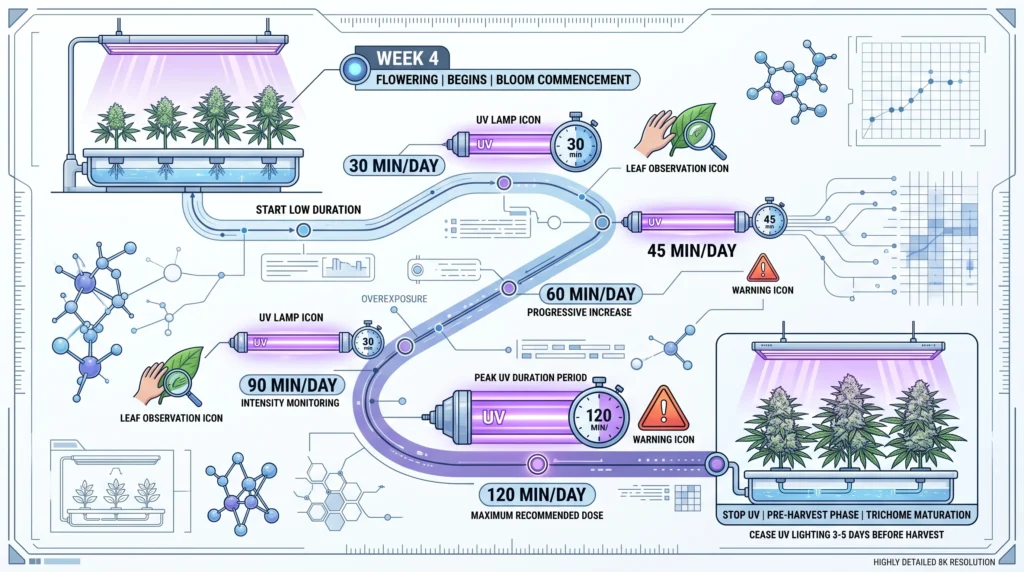
Whether or not UV supplementation pays off in your specific grow, the safety math is not in dispute UV-B in particular is energetic enough to cause real phototoxicity if mishandled. If you’re going to test it, this is the protocol most growers and the studies above use to avoid burning a crop:
- Delay UV introduction. Don’t use UV during seedling, clone, or early vegetative stages, let the plant build architecture first.
- Start slow. Introduce UV-B in the middle of the flowering phase, beginning with roughly 30 minutes of exposure per day at the peak of the light cycle.
- Ramp up gradually. Increase exposure by about 15 minutes every few days, watching the canopy closely for stress signs (leaf curl, bleaching, crispy margins). Most growers cap total daily exposure around 2-3 hours.
- Cut UV before harvest. Many growers stop UV exposure for the final 3-5 days before harvest so the plant finishes without active radiation stress.
Overexposure leads to chlorophyll degradation, crispy leaf margins, and stalled growth. The plant spends its energy on damage repair instead of building flower.
UV for Culinary Herbs
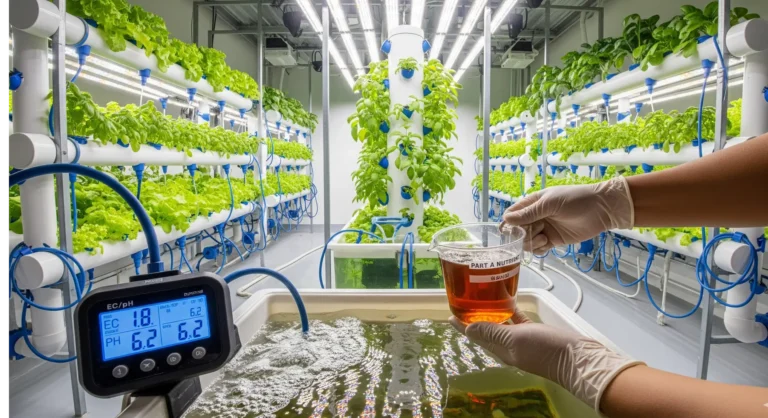
The picture is a bit more encouraging for leafy greens and herbs. Postharvest and pre-harvest UV exposure has shown promise in some leafy herb and green research for increasing antioxidant compounds and extending shelf life, though as with other crops. Effects vary by species, cultivar, dose, and exposure timing, and results aren’t uniformly positive across every study. If you’re growing basil, mint, or cilantro hydroponically, short, controlled UV-A exposure is a low-risk experiment worth running on a small scale before committing your whole crop to it. Pair it with the systems in our Hydroponic Basil & Mint Guide.
Essential Equipment for UV Integration
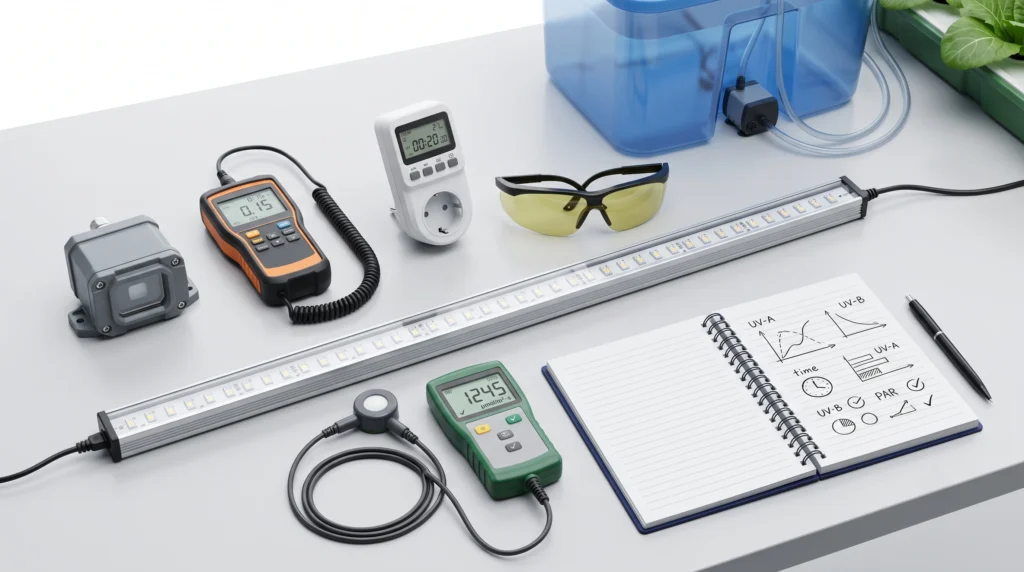
Standard PAR quantum meters are blind to wavelengths below 400nm. You can’t manage what you can’t measure. If you’re going to run a real test, this is the gear that makes it possible to do so safely and with real data instead of guesswork.

Scientific-grade optical sensor used by universities and commercial facilities to measure UV-A intensity across the canopy, so you can confirm even coverage without creating hot spots.

The industry-standard meter for UV-B output (280-322nm). UV-B bulbs degrade over time, so this lets you verify your fixtures are still emitting a meaningful dose rather than assuming they are.
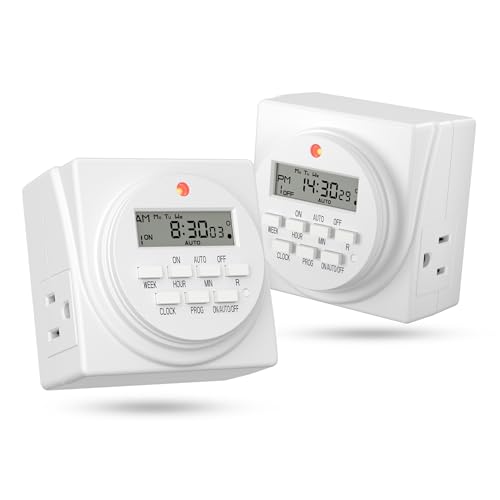
UV exposure needs to be strictly time-boxed. A mechanical timer that sticks or fails could leave UV lights running indefinitely. A digital timer with battery backup keeps the dosing schedule reliable through brief power fluctuations.

Standard sunglasses don’t block UV-A/B/C. Polycarbonate wrap-around glasses rated specifically for UV protection are non-negotiable if you’re entering the tent while UV fixtures are active.
Industry Implications
Indoor cultivation spent decades optimizing purely for grams-per-watt, which is why HPS and PAR-heavy LED fixtures dominated. As the market has shifted toward valuing terpene complexity and aroma quality alongside raw yield, UV supplementation has become a popular hardware upgrade, but the science hasn’t caught up to the marketing claims in every case. Some lighting manufacturers now ship primary fixtures with independently controllable UV channels, and this trend will likely continue regardless of how conclusively the research settles, simply because growers want the option to test it on their own genetics.
For growers scaling these setups, environmental controllers to manage independent spectral channels are worth reading up on in our Hydroponic Controllers Under $200 Guide. For more on gear used in heavy-fruiting hydroponic setups generally, see our Hydroponic Gear Guide.
Frequently Asked Questions
Does UV light actually increase terpenes and aroma compounds?
The evidence is mixed, not settled. Some older and anecdotal reports describe increases, but controlled peer-reviewed trials including a 2021 University of Guelph study found no reliable increase in secondary metabolites or terpenes from UV-B exposure in modern cultivars, and in some cases a measurable decrease. Effects appear to depend heavily on cultivar genetics, UV-A:UV-B ratio, and intensity.
Do standard LED grow lights produce enough UV light?
No. Most standard LED grow lights produce little to no UV. They’re built to maximize efficiency within the 400-700nm PAR range. Generating UV wavelengths requires specialized diodes most manufacturers skip to control cost, so you typically need a dedicated supplemental UV-A/UV-B fixture.
What’s the difference between UV-A and UV-B for plant growth?
UV-A (315-400nm) is a milder stressor associated with leaf thickening and slight color changes. UV-B (280-315nm) is far more energetic and triggers a stronger defense response via the UVR8 photoreceptor, but stronger response doesn’t automatically mean better outcomes; several studies found high UV-B exposure reduced yield and leaf area.
Can UV light burn or kill my plants?
Yes. UV-B is destructive in large doses, continuous exposure degrades chloroplasts, damages leaf tissue, and can stunt growth. Supplementation is typically limited to 1-3 hours per day at the peak of the light cycle.
When should I introduce UV during the crop cycle?
Only on mature plants , never seedlings or clones. For flowering crops, most growers introduce UV mid-to-late flower (around week 4-5), once the canopy is established.
Is it safe to be in the grow tent when UV lights are on?
No, avoid unnecessary time in the tent during a UV cycle. If you must enter, wear long sleeves and UV-rated safety glasses; UV is harmful to skin and especially to eyes.
Can I use UV light for hydroponic herbs?
It’s a reasonable low-risk experiment for basil, mint, and cilantro, some research points to benefits for antioxidant compounds and aroma in leafy greens and herbs, though results vary by species and dose just as they do in other crops. Test on a small batch before committing your full crop.
The Final Word on UV Supplementation
UV light is not the guaranteed shortcut to an “elite” harvest that grow-shop folklore suggests. The real peer-reviewed research is genuinely mixed, and in several controlled trials on modern cultivars, UV-B supplementation cost yield and secondary metabolite concentration rather than boosting them. That doesn’t mean it’s worthless, cultivar-dependent responses are real, and the low-intensity UV-A-dominant approach that improved specific terpenes in one study is a reasonable, lower-risk place to start. Treat UV as an experiment to run on your own genetics with real measurement, not an upgrade to install on faith.
Try It Yourself: UV Test Planner
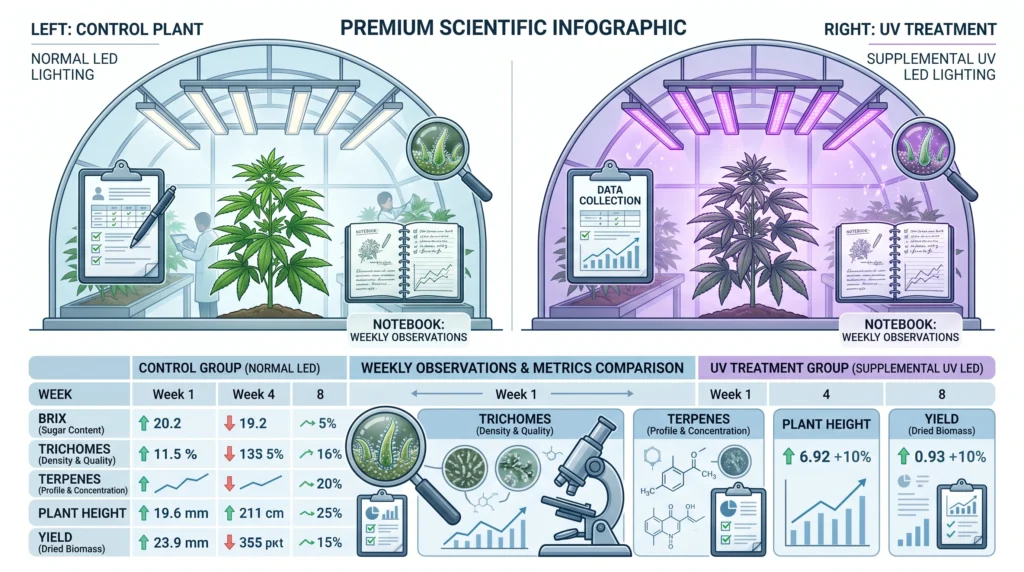
Use the tool below to generate a safe ramp-up schedule and log your own before/after trichome and Brix observations. Since the published research disagrees on outcomes, your own side-by-side test on your own cultivar is the most trustworthy data you’ll get.
Generates a conservative UV-B introduction schedule: starts low, ramps gradually, caps daily exposure, and stops before harvest. Adjust the settings to match your own flower cycle.
Since the published research disagrees on outcomes, the most trustworthy data is your own. Log weekly observations here to compare a UV-exposed plant against a non-UV control in your own grow. Entries save in this browser only.
Educational tool. UV-B can cause real crop damage if mishandled — start conservative, watch your canopy closely, and wear UV-rated eye protection when inspecting plants during a UV cycle.
Master Your Spectrum, DLI, and Canopy Lighting
Whether you are balancing UV-A/UV-B exposure times, calculating Daily Light Integrals (DLI), or fine-tuning spectrum ratios, explore our suite of free interactive grower tools.
⚡ 100% Free interactive calculators • Built on peer-reviewed horticultural research

Continue Your Learning Journey