Hydroponic Culinary Mushrooms: Liquid Culture & Substrate Integration

Table of Contents
- Liquid Culture Techniques for Mushroom Spawn Production
- Automated Fruiting Tent Engineering
- Substrate Integration with Hydroponic Waste Streams
- Contamination Sources and Sterile Technique
- Yield Optimization and Production Scaling
- Economic Analysis and Production Metrics
- Frequently Asked Questions
- Conclusion: Scaling Your Fungal Operations
Disclosure: MistCulture summarizes verified product specs, engineering data, and community feedback. We may earn an affiliate commission if you purchase through our links. Regulations vary by location; this content is for educational purposes only.
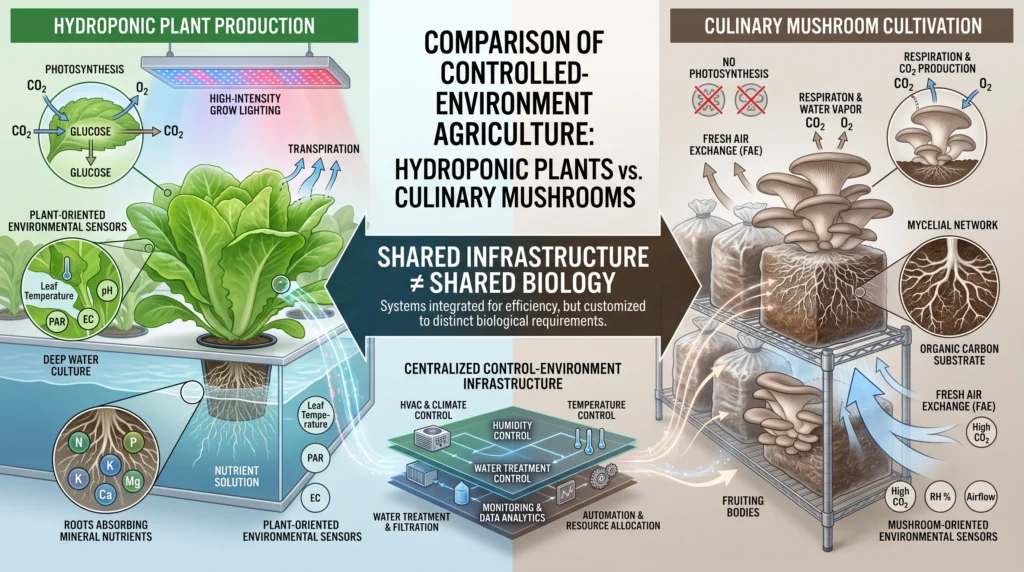
The controlled environment infrastructure that powers high-yield hydroponic facilities, precise temperature regulation, strict humidity control, automated CO2 exhaust, and specialized lighting, translates directly to commercial culinary mushroom cultivation. While fungi do not photosynthesize and cannot grow directly in a standard aqueous nutrient solution, integrating mushroom production into a hydroponic facility maximizes the utility of your existing climate control equipment. The biological mechanics of mycelial growth dictate strict environmental parameters that parallel advanced soilless crop production.
Fusing these two systems creates a highly efficient facility. Hydroponic wastewater can hydrate mushroom substrate, and spent mushroom substrate can serve as a carbon filter for nitrate-heavy drainage. This guide breaks down the technical requirements for integrating a mushroom production wing into an existing hydroponic facility, focusing heavily on liquid culture mechanics, fruiting chamber engineering, and yield optimization.
Liquid Culture Techniques for Mushroom Spawn Production
Liquid culture acts as the biological engine for commercial mushroom operations, relying on precise carbohydrate suspension and sterile fermentation environments to rapidly multiply mycelium.
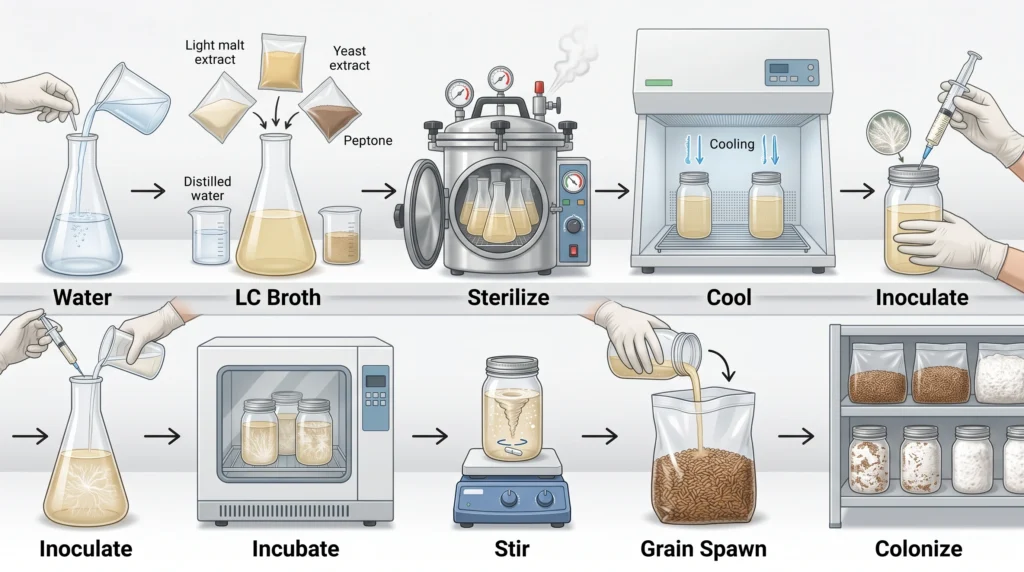
Modern culinary mushroom production relies on liquid culture (LC) rather than traditional agar-to-grain transfers. Liquid culture consists of live mushroom mycelium suspended in a sterile, carbohydrate-rich aqueous solution. When you inject LC directly into sterilized grain, the suspended mycelial fragments act as thousands of independent inoculation points. This liquid delivery mechanism drastically reduces colonization times and limits the window of opportunity for competitor molds to establish themselves.
Hydroponic operators are uniquely positioned to manage liquid cultures because the concepts of nutrient concentration, pH management, and aeration map perfectly to hydroponic reservoir management. A reliable liquid culture medium requires a specific balance of sugars and nutrients. If the carbohydrate concentration is too high, the osmotic pressure prevents the mycelium from absorbing water. If it is too low, the culture lacks the energy required to develop a thick, robust biological mass.
A standard liquid culture formulation for aggressive species like Pleurotus ostreatus (Oyster mushrooms) requires the following ratios:
- Distilled water: 1,000 ml
- Light malt extract (LME): 20 grams
- Yeast extract: 2 grams
- Peptone (optional for aggressive cell division): 1 gram
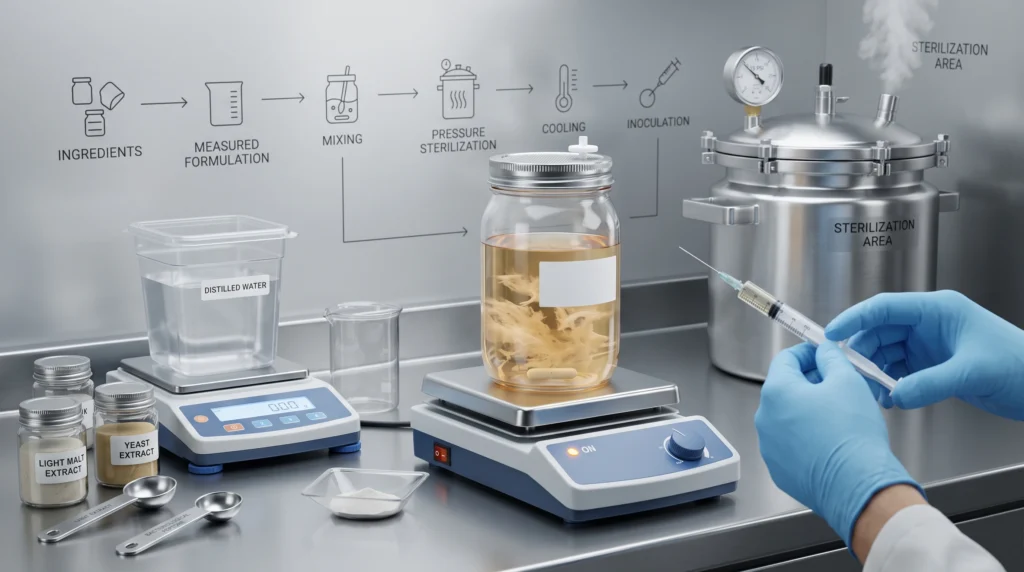
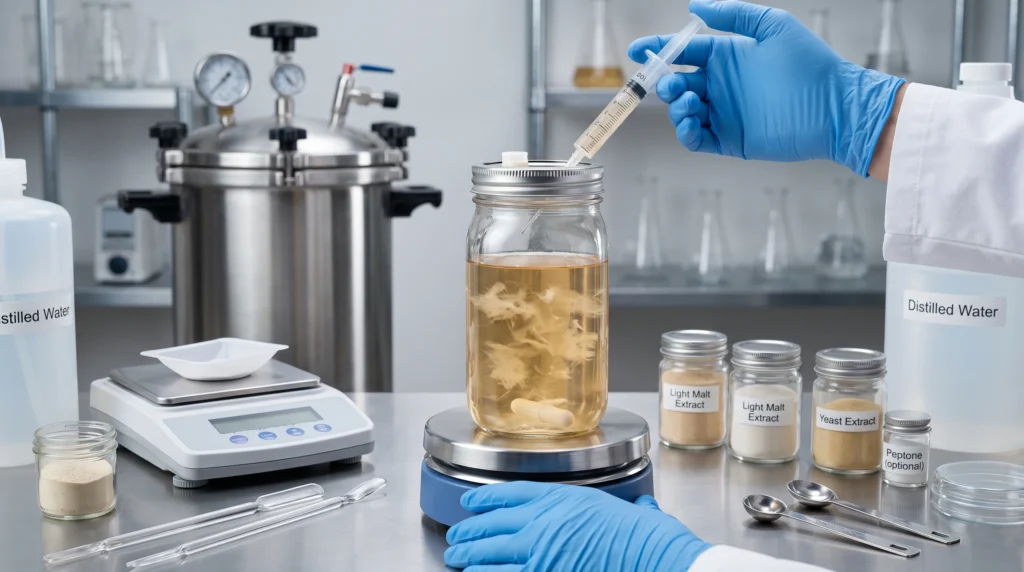
The dry ingredients are thoroughly mixed into the distilled water using a magnetic stir plate. The solution must then be sterilized in a pressure vessel capable of reaching 15 PSI. At 15 PSI, water reaches a temperature of 250′ F (121′ C). This temperature must be maintained for 20 to 30 minutes to achieve total sterilization, destroying all bacterial endospores.
Once the broth cools to 75′ F (24′ C), it is inoculated with a clean tissue culture or spores inside a sterile environment. The culture incubates at 75-80′ F for 7 to 14 days. During this incubation period, a magnetic stir bar inside the jar is activated daily. Stirring shears the growing mycelial mats, breaking them into smaller fragments that multiply exponentially.
To track the exact timelines of your liquid culture fermentation, grain spawn inoculation, and eventual harvest weights, log all dates and volumes in the mistculture-master-tracking-workbook.pdf file. Consistent data tracking isolates environmental variables and pinpoints exactly when a culture loses vigor.
If you are already managing custom nutrient profiles for your plants, formulating LC broth is a simple lateral step. Review our hydroponic nutrient schedule guide to see how meticulous formulation directly impacts biological growth phases.
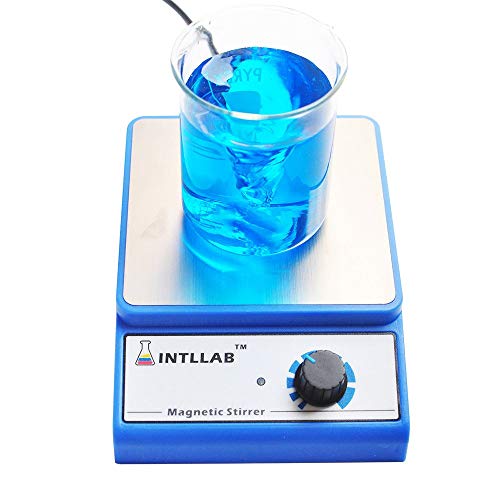
- Corrosion-Resistant 316 Stainless Steel Top Plate: Ensures durability and excellent performance.
- Large Capacity for Various Needs: With a capacity of up to 3000ml, it is ideal for home brew yeast starters.
- Easy-to-Use Design: Offers stepless adjustable stirring speed, allowing for speed regulation up to 3000 rpm.
- Why it’s necessary: Continuous or daily shearing of the mycelium in a liquid culture prevents the formation of thick, impenetrable mats, creating millions of microscopic inoculation points for faster grain colonization.
- Key Spec: 100 to 2000 RPM variable speed control with a 3000ml liquid capacity.
Automated Fruiting Tent Engineering
Engineering a mushroom fruiting chamber requires balancing near-maximum relative humidity with aggressive fresh air exchange to clear the heavy CO2 expelled by respiring fungi.
A commercial fruiting chamber is a highly active thermodynamic environment. Fungi respire oxygen and exhale carbon dioxide, acting entirely opposite to the plants in your hydroponic bays. If CO2 levels rise above 1,000 ppm, oyster mushrooms develop elongated, thick stems and tiny caps, a physiological response to “reach” for fresh air. Clearing this CO2 requires heavy exhaust fans. However, exhausting the air removes the humidity. Mushrooms are over 90% water; if the relative humidity drops below 85%, the developing pins abort and dry out.
Balancing these two conflicting needs, high fresh air exchange (FAE) and high relative humidity (RH), is the core engineering challenge of a fruiting tent.
For the humidity generation system, ultrasonic foggers are vastly superior to standard evaporative humidifiers. An ultrasonic fogger utilizes ceramic discs vibrating at ultrasonic frequencies to physically shatter water molecules into a dry fog. This produces droplets in the 5-10 micron range. Droplets of this size float in the air currents rather than immediately falling to the floor, allowing the air to reach 95% RH without leaving standing water on the mushroom caps. Free water on the fruiting bodies invites bacterial blotch (Bacillus tolaasii).
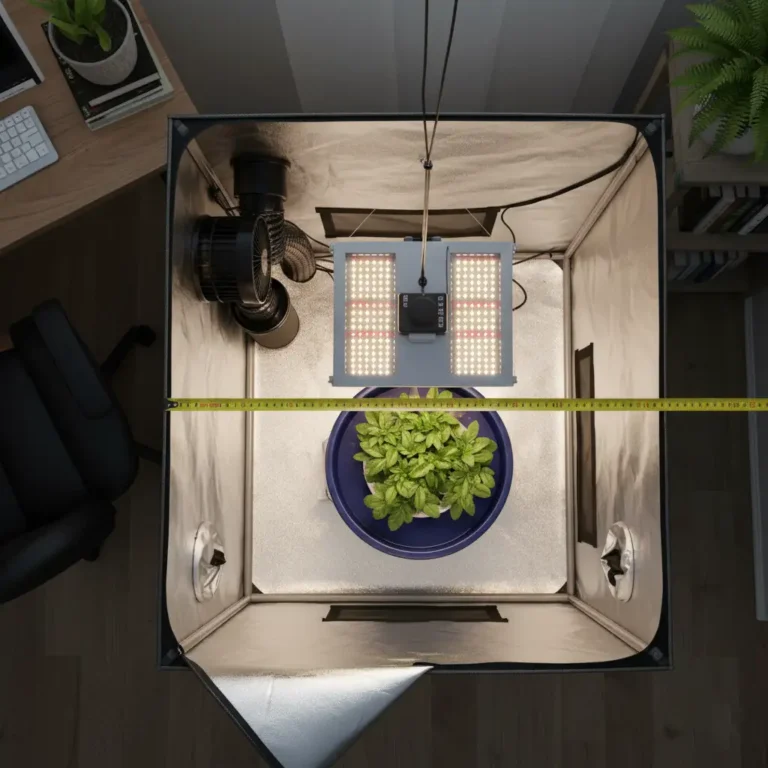
To calculate the humidification requirements, measure your tent’s volume. A 4x4x8 tent holds 128 cubic feet of air. If your exhaust fan clears 100 cubic feet per minute (CFM), the entire volume of air is replaced roughly every minute. The fogger must rapidly saturate the incoming dry air. A 3-head or 5-head ultrasonic fogger resting in a reverse osmosis (RO) water reservoir inside the tent will produce 3 to 5 liters of fog per hour, instantly replenishing the moisture stripped by the exhaust fan.
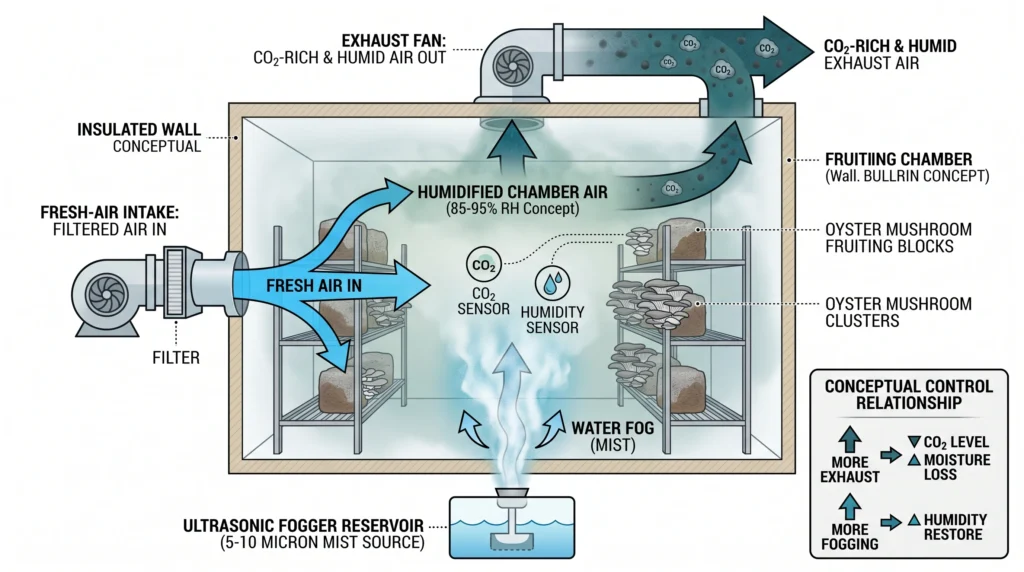
Climate controllers bridge the gap between these systems. A dedicated humidistat commands the fogger, while a cycle timer or CO2 monitor controls the exhaust fan. If you are retrofitting existing indoor gardening equipment, see our grow tent buying guide to select a chamber with adequate waterproof flooring and sturdy equipment crossbars. To manage the exhaust and fogger logic affordably, review the best hydroponic controllers under $200.
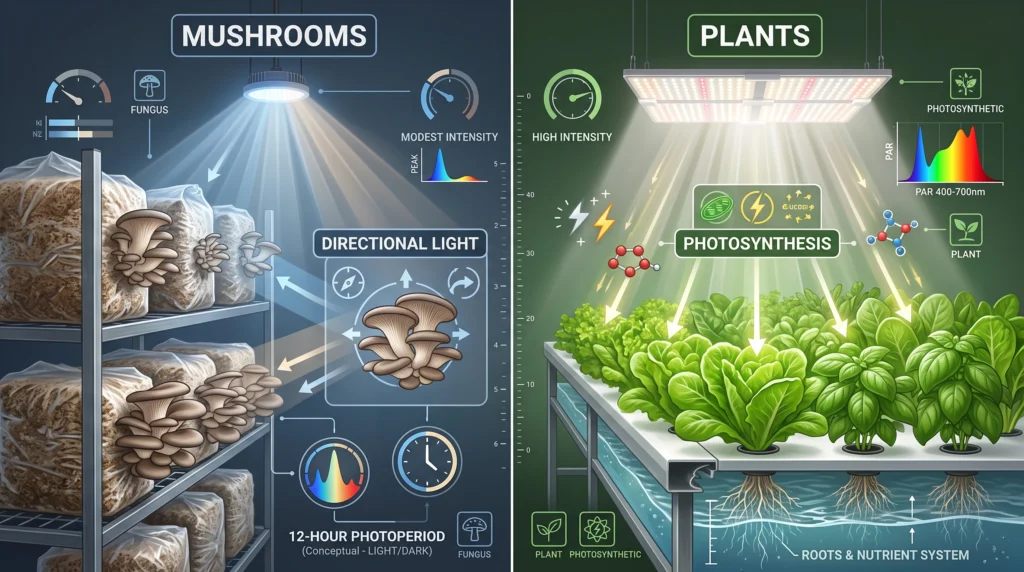
The lighting requirements for mushrooms are drastically different from photosynthetic crops. Fungi only use light as a directional trigger to tell the fruiting bodies which way to grow (phototropism). High-intensity PAR output is unnecessary and counterproductive, as heavy LEDs generate excessive heat. A simple 12-hour photoperiod using blue-spectrum light at an intensity of just 100 to 200 lux is entirely sufficient. If you are accustomed to calculating DLI and PAR for your plant canopies, dial your parameters way back. Reference our LED distance & PPFD guide to understand how light intensity drops off over distance, allowing you to use minimal wattage for fungal phototropism.

- Water Garden and Pond Foggers: The pond mister fogger with float is made of 304 stainless steel, which is corrosion-resi…
- IP67 Waterproof: The IP67 waterproof power supply comes with a 16.4ft power cord for outdoor use ( Plz don’t put the pow…
- Safe and Reliable: Our pond fogger is designed with independent wiring, safe to use, with over-current protection, over-…
- Why it’s necessary: Single-disc consumer humidifiers cannot output the volume of moisture required to maintain 90% RH when an inline exhaust fan is actively clearing CO2 from the tent.
- Key Spec: 6 independent ultrasonic discs outputting 1500 ml/hour of 5-micron dry fog.
Substrate Integration with Hydroponic Waste Streams
Spent mushroom substrate acts as a highly effective carbon source for biological denitrification, filtering nitrate-heavy hydroponic runoff before it re-enters the water table.
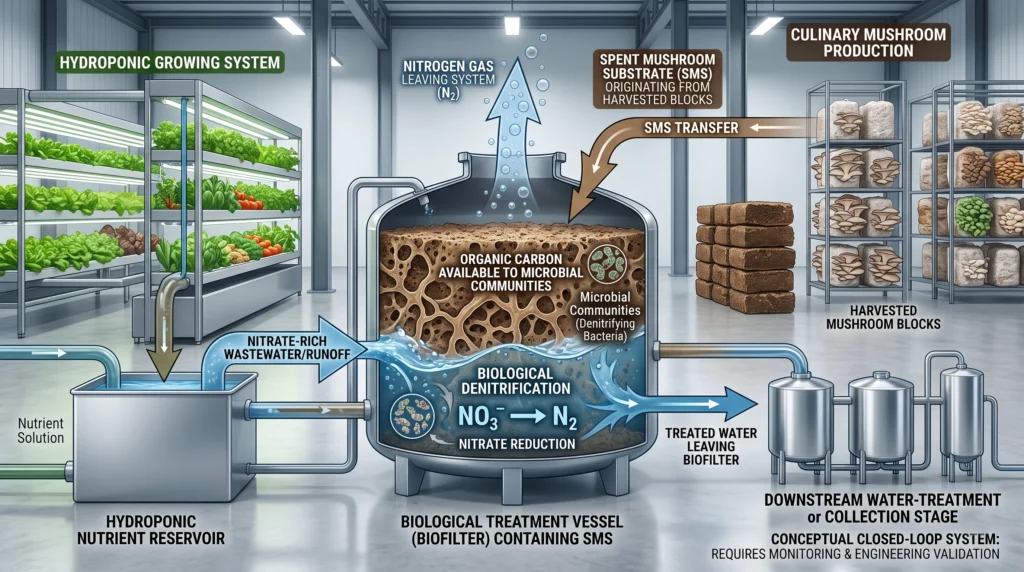
Hydroponic facilities routinely flush their reservoirs to prevent elemental toxicity and nutrient lock-out. This wastewater contains high concentrations of residual nitrates and phosphates. Environmental regulations increasingly penalize agricultural operations that discharge untreated, nutrient-dense runoff into municipal systems or local water tables. Integrating a mushroom cultivation wing provides a biological filtration mechanism to treat this wastewater.
Mushroom substrate, typically a blend of hardwood sawdust, soy hulls, and wheat straw, is degraded by the mycelium during the fruiting cycle. Once the blocks stop producing profitable flushes of mushrooms, you are left with “spent mushroom substrate” (SMS). This material is rich in fungal enzymes, partially degraded lignin, and organic carbon.
The denitrification of hydroponic wastewater requires a carbon source. Heterotrophic bacteria in an anoxic environment will strip the oxygen molecules from nitrate (NO3-), converting it into harmless nitrogen gas (N2) that bubbles out into the atmosphere. To perform this chemical reduction, the bacteria must consume carbon.
The chemical mechanism for biological denitrification using an organic carbon source looks like this:
5 C + 4 NO3- + 2 H2O –> 2 N2 + 5 HCO3- + H+
Research indicates that organic materials, such as cork granulates or spent mushroom substrate, release organic carbon continuously. When high-nitrate hydroponic runoff is slowly passed through a biofilter packed with SMS, the resident bacteria consume the fungal carbon and rapidly reduce the nitrate levels in the water. This closed-loop biological integration turns waste from the mushroom room into a filtration asset for the hydroponic wing.
To maximize the efficiency of your biological filters, the pH and electrical conductivity of the runoff must still be monitored. Severe pH swings will crash the bacterial populations performing the denitrification. Keep your water chemistry dialed in by referencing our hydroponic pH and EC mastery guide.
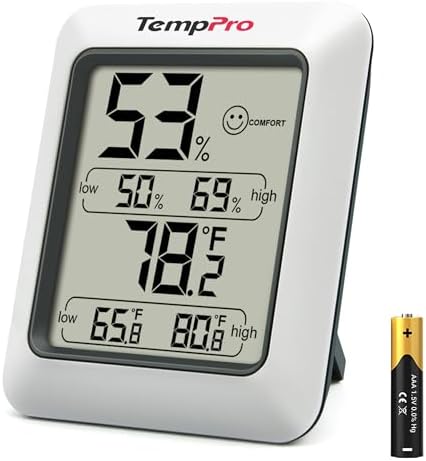
- Wellness Indicator: This humidity meter with humidity level icon indicates air conditions – DRY/COMFORT/WET, allowing th…
- High Accuracy & Quick Refresh Rate: This inside thermometer features a high accuracy of +/-2 to 3%RH and +/-1°F, making …
- High & Low Records: This hygrometer digital thermometer displays high/low temperature and humidity levels to allow you t…
- Why it’s necessary: Accurate vapor pressure deficit (VPD) and humidity tracking prevents pinning abortion and limits the condensation that leads to bacterial blotch.
- Key Spec: Remote sensor probe with min/max memory recording and rapid refresh rate.
Contamination Sources and Sterile Technique
Maintaining sterile vectors during the inoculation phase is the sole defense against aggressive competitor molds like Trichoderma and Aspergillus.
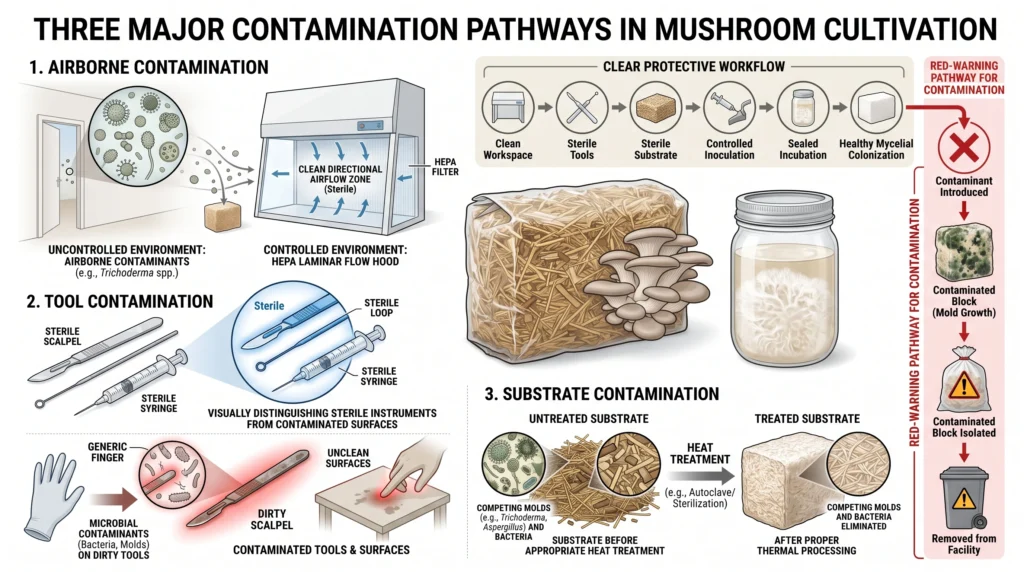
The primary cause of failure in mushroom cultivation is contamination. Because mushroom substrates are highly nutritious and hydrated to a perfect 60% moisture content, they represent an ideal habitat for any airborne microbe. Fungi grow relatively slowly compared to bacteria and aggressive molds. If a competitor organism lands on the substrate before the mushroom mycelium has a chance to claim the territory, the competitor will outpace the mushroom and ruin the block.
The three primary vectors for contamination are the ambient air, your tools, and the substrate itself.
Airborne Contamination: Mold spores are ubiquitous in indoor environments. A cubic meter of standard indoor air contains thousands of spores. Any time you open a sterilized grain bag or a liquid culture jar, gravity and air currents immediately deposit these spores inside. To counteract this, mycology work must be performed in a Still Air Box (SAB) or in front of a Laminar Flow Hood. A laminar flow hood pushes air through a HEPA filter (rated at 99.99% efficiency at 0.3 microns) at a continuous velocity of 100 feet per minute. This creates a wall of sterile air that physically pushes room contaminants away from your workspace.
Tool Contamination: Scalpels, inoculation loops, and syringes must be completely sterile. Scalpels are traditionally flame-sterilized using an alcohol lamp or butane torch until the metal glows red hot. The blade is then cooled by touching it to clean agar before making a tissue cut. Surfaces, gloved hands, and the exterior of jars must be heavily sprayed with 70% isopropyl alcohol. Alcohol at a 70% concentration is more effective than 90% because the higher water content slows evaporation, allowing the alcohol enough contact time to penetrate the cell walls of bacteria.
Substrate Contamination: Substrates must be treated with heat before inoculation. The required temperature depends on the nutritional density of the substrate.
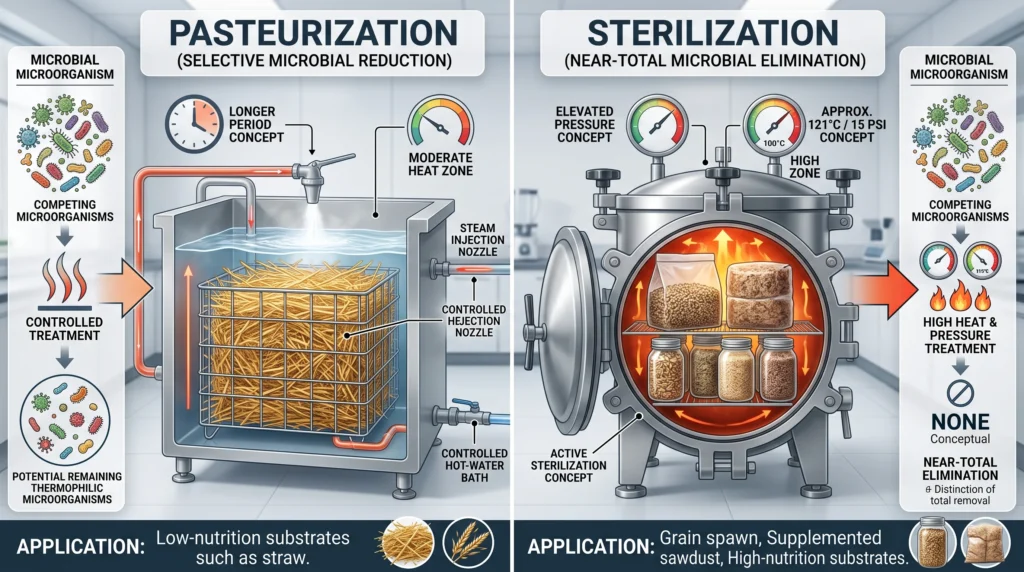
- Pasteurization (160′ F to 180′ F for 1.5 hours): Used for low-nutrition substrates like wheat straw. Pasteurization kills competing molds and pests but leaves beneficial thermophilic bacteria alive. These bacteria offer secondary protection against aggressive competitors.
- Sterilization (250′ F at 15 PSI for 2 to 2.5 hours): Used for highly nutritious substrates like grain spawn, supplemented sawdust, and soy hulls. Sterilization creates a total biological vacuum.
If contamination occurs later in the fruiting cycle, such as green mold (Trichoderma harzianum) appearing on the outside of a fruiting block, the block must be removed immediately. Do not open a contaminated block inside the facility. Trichoderma produces millions of green spores; opening the block will spread these spores into your HVAC system, permanently contaminating your facility. For crossover strategies in managing facility-wide microbial threats, consult our hydroponic IPM guide.

- The only method recommended safe by the US Department of Agriculture for canning vegetables, meats, poultry, and seafood
- Doubles as a boiling-water canner for preserving fruits, jams, jellies, pickles, and salsa; Handy as a large capacity pr…
- Constructed of warp-resistant heavy-gauge aluminum for fast, even heating; Works on regular and smooth-top ranges; Exten…
- Why it’s necessary: Substrate blocks and liquid culture broths require temperatures of 250′ F to achieve total sterilization, which is physically impossible to reach in boiling water without an atmospheric pressure of 15 PSI.
- Key Spec: Heavy-gauge aluminum construction capable of maintaining a sustained 15 PSI pressure for 150-minute cycles.
Yield Optimization and Production Scaling
Scaling fungal production requires optimizing Biological Efficiency through precise supplementation, controlled moisture content, and standardized spawn rates.
In commercial mycology, yield is measured through a metric called Biological Efficiency (BE). Biological efficiency calculates the fresh weight of the harvested mushrooms against the dry weight of the substrate used to grow them.
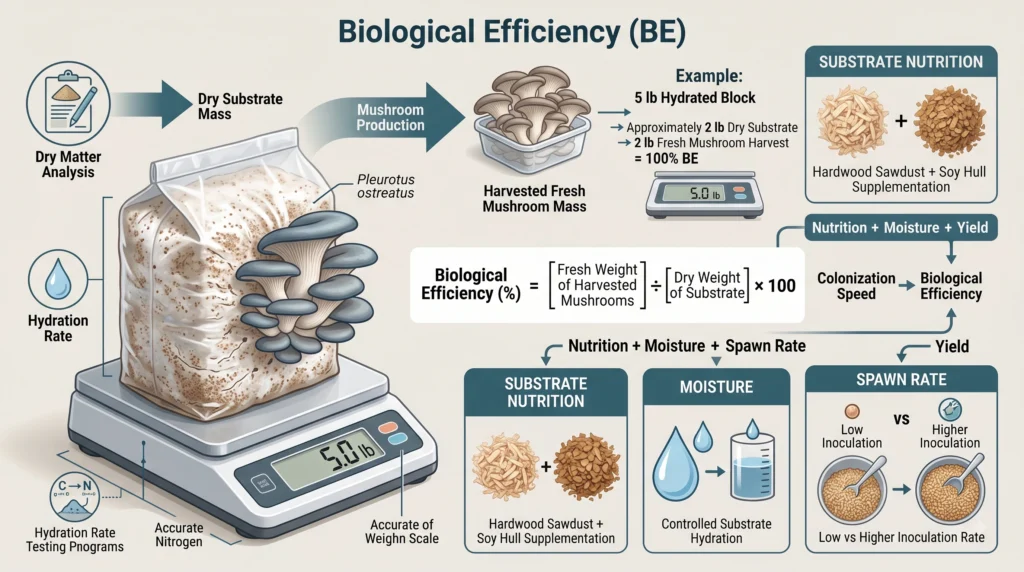
The formula is straightforward:
Biological Efficiency (%) = (Fresh Weight of Harvested Mushrooms / Dry Weight of Substrate) * 100
For example, an oyster mushroom block consisting of 5 pounds of hydrated substrate (at 60% moisture) contains exactly 2 pounds of dry material. If that block yields 2 pounds of fresh mushrooms over its lifespan, the block has achieved 100% BE. Commercial growers consistently aim for 100% to 125% BE for oyster species.
Achieving high biological efficiency requires optimizing three specific factors: substrate nutrition, moisture content, and spawn rate.
Substrate Optimization: Pure hardwood sawdust lacks the nitrogen and carbohydrates required to push massive yields. Commercial “Master’s Mix” formulation utilizes a 50/50 blend of hardwood sawdust and soy hulls, supplemented with 2% agricultural gypsum (calcium sulfate) to buffer the pH and provide essential sulfur. This heavy supplementation dramatically increases the nutritional density of the block, pushing BE well past 100%.
Moisture Content: Substrates must be hydrated to a strict 60% to 65% moisture range. If the substrate falls below 50% moisture, the mycelium stalls, and the resulting mushrooms will be dry and brittle. If the substrate exceeds 65% moisture, the spaces between the wood particles flood. Mycelium breathes oxygen; flooded substrate goes anaerobic, inviting bacterial contamination and causing the mycelium to die back. Proper hydration metrics mirror the precise saturation requirements detailed in our hydroponic sensor calibration guide.
Spawn Rate: The spawn rate dictates how much colonized grain is mixed into the bulk substrate. A low spawn rate (5% by weight) saves money on grain but drastically extends the colonization period. The longer a block takes to colonize, the higher the risk of contamination. A high spawn rate (15% to 20% by weight) ensures rapid colonization. The mycelium races through the substrate, completely consolidating the block within 10 to 14 days. This rapid consolidation locks out competitor molds and speeds up the facility’s production cycle, directly improving profitability.
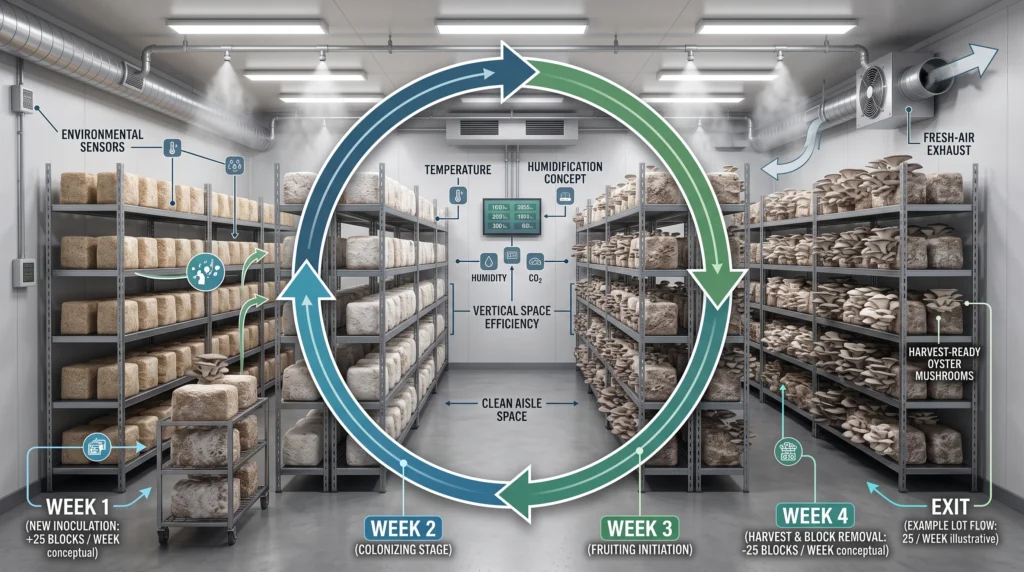
To maintain continuous harvest cycles, facilities stagger their block production. If a fruiting tent holds 100 blocks, and the fruiting cycle lasts 4 weeks, the facility must inoculate and introduce 25 new blocks every week while discarding the 25 oldest blocks. This perpetual cycle requires strict environmental monitoring. If your sensors drift, your yield predictions will fail. Keeping equipment calibrated is non-negotiable; review hydroponic troubleshooting strategies for cross-applicable sensor diagnostic workflows.
Economic Analysis and Production Metrics
Tracking input costs against predictable biological efficiency allows operators to accurately forecast ROI on integrated mushroom wings.
Integrating a culinary mushroom setup into an existing hydroponic facility significantly lowers the initial Capital Expenditure (CapEx). You are already paying for the climate-controlled building, the water filtration, the electrical panel upgrades, and the base humidity management. The primary ongoing expenses transition to OpEx: substrate materials, grain spawn, sterilization fuel, and labor.
Let us break down the unit economics of a standard 5-pound fruiting block (2 lbs dry substrate, 3 lbs water).
- Hardwood Pellets / Soy Hulls: Bulk purchasing brings substrate costs down to roughly $0.50 per block.
- Grain Spawn: At a 15% inoculation rate, grain spawn costs approximate $0.60 per block when produced in-house.
- Sterilization Utilities & Bags: Filter-patch autoclavable bags and the electricity/gas required for a 2.5-hour pressure cycle average $0.40 per block.
- Direct Labor: Substrate mixing, bagging, inoculation, and harvest labor add roughly $1.00 per block.
The total cost to produce and fruit one 5-pound block sits at approximately $2.50.
Assuming a conservative 100% Biological Efficiency, that block yields 2 pounds of fresh oyster mushrooms across two flushes. Wholesale pricing for premium specialty mushrooms averages $5.00 to $7.00 per pound. Taking the lower $5.00 metric, a single block generates $10.00 in gross revenue.
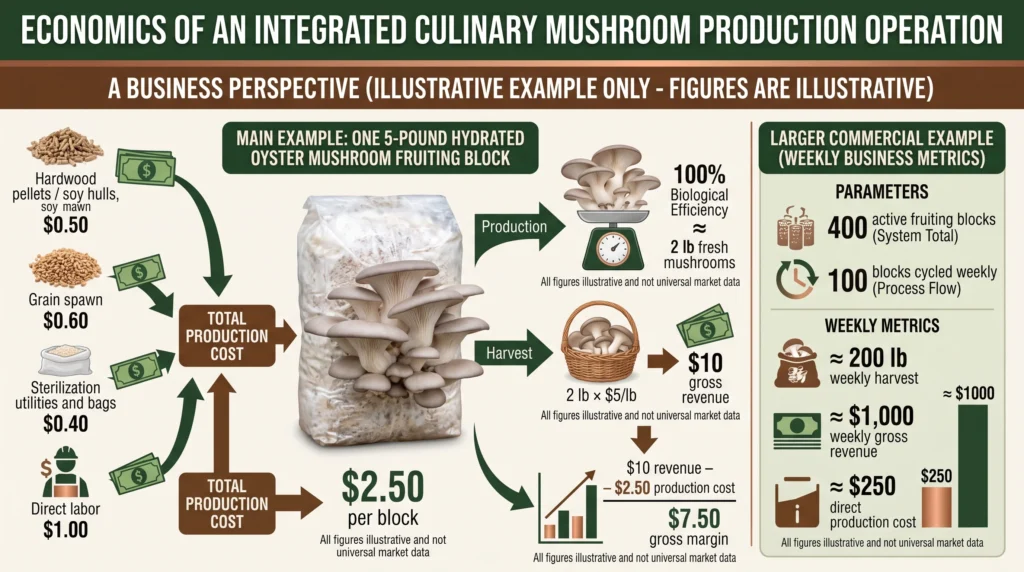
Subtracting the $2.50 production cost yields a gross margin of $7.50 per block. A modest 10×10 fruiting room utilizing vertical racking can easily hold 400 actively fruiting blocks. Cycling 100 blocks per week generates 200 pounds of weekly harvest, yielding $1,000 in weekly revenue against $250 in direct production costs. Because hydroponic facilities already possess commercial water treatment systems and advanced environmental controllers, leveraging these existing assets accelerates the Return on Investment (ROI). For a deeper look at infrastructure scaling, check out the math in our hydroponic system upgrades ROI guide.
Frequently Asked Questions
Can I run a hydroponic nutrient solution directly through my mushroom substrate?
No. Standard hydroponic nutrient solutions consist of inorganic mineral salts (nitrates, phosphates, potassium). Fungi are saprophytic organisms that require complex, carbon-based organic materials (lignin, cellulose) to break down and consume. Pumping liquid mineral salts into a mushroom block will cause severe osmotic stress, dehydrating the mycelium and rendering the block toxic to fungal growth.
Why are my oyster mushrooms growing long, skinny stems with tiny caps?
Long stems and small caps indicate severe carbon dioxide poisoning. Oyster mushrooms are highly sensitive to CO2 accumulation. When levels exceed 800 to 1,000 ppm, the mushroom assumes it is trapped underground or inside a log and physically elongates to reach fresh air. You must immediately increase your exhaust fan’s CFM output and ensure fresh, oxygen-rich air is pulling through the fruiting chamber.
How do I clear the green mold growing on the side of my fruiting block?
You cannot clear or cure green mold (Trichoderma). By the time Trichoderma turns green, it is actively sporulating and releasing millions of microscopic spores into your fruiting chamber. Spraying it with hydrogen peroxide or cutting it out will only agitate the spores, spreading them further. You must immediately seal the block in a plastic bag without squeezing it and remove it from the building entirely.
What is the ideal vapor pressure deficit (VPD) for mushroom fruiting?
While VPD is a critical metric for plant transpiration, fungi do not have stomata and rely on entirely different mechanisms for moisture exchange. You do not calculate VPD for mushrooms in the same way you do for tomatoes. Fungi require a slight evaporation gradient on the surface of the cap to pull nutrients up from the mycelial network. Maintaining exactly 100% relative humidity stops this evaporation, causing the mushrooms to rot. Maintain 85% to 95% RH to allow a gentle, continuous moisture exchange.
Should I add beneficial microbes like Bacillus to my mushroom substrate?
No. High-yield culinary mushroom cultivation relies on sterile substrates. Adding commercial hydroponic bacterial inoculants (like Bacillus amyloliquefaciens) will cause the bacteria to aggressively compete with your mushroom mycelium for the available sugars in the substrate. Sterilize your substrate completely, and let the specific mushroom mycelium be the absolute only biological organism present inside the block.
Can I use the same exhaust fan for both my hydroponic tent and mushroom tent?
Do not share exhaust ventilation between the two environments. The heavy spore load released by mature mushrooms will be sucked into the hydroponic room, clogging carbon filters, sticking to sticky traps, and coating your lighting fixtures in a fine, powdery dust. Keep the HVAC and exhaust ducting completely separated to protect your plant equipment from fungal spores.
Conclusion: Scaling Your Fungal Operations
Integrating culinary mushroom cultivation into a hydroponic facility transforms dead space and waste streams into profitable, high-yield biological assets. By mastering the sterilization parameters of liquid culture and balancing the complex thermodynamics of your fruiting chambers, you establish a closed-loop system where plant and fungal biology actively support one another. Focus relentlessly on sterile technique during inoculation, calibrate your exhaust fans to clear heavy CO2, and leverage spent mushroom substrate as a powerful biological filter for your nutrient runoff.
How are you planning to handle the CO2 exhaust routing to ensure your plant canopies benefit from the extra carbon dioxide produced by the fungi?

Continue Your Learning Journey